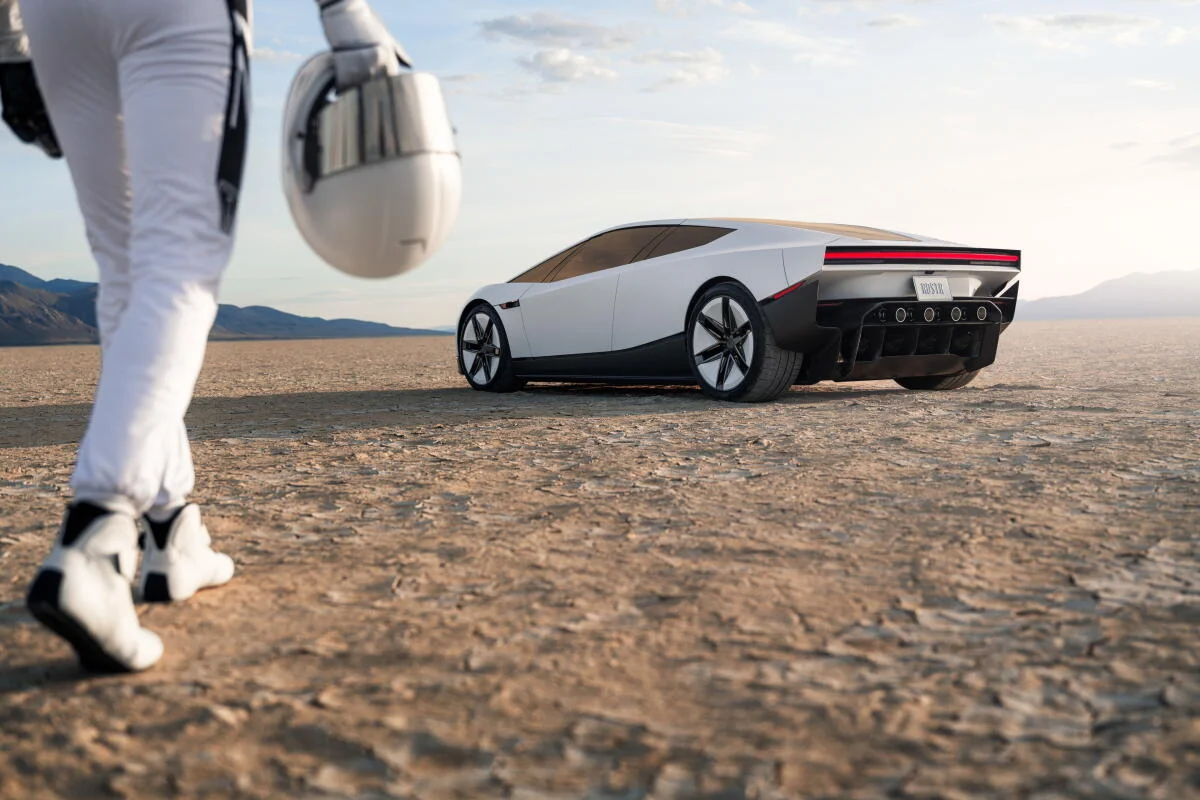
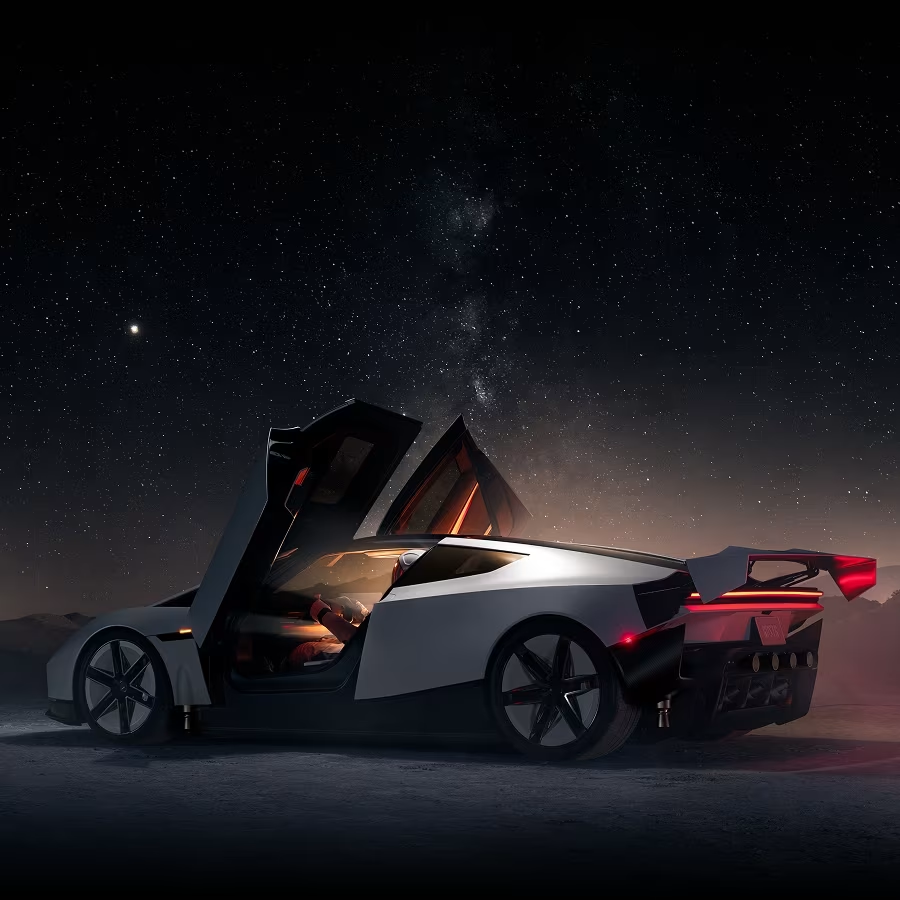
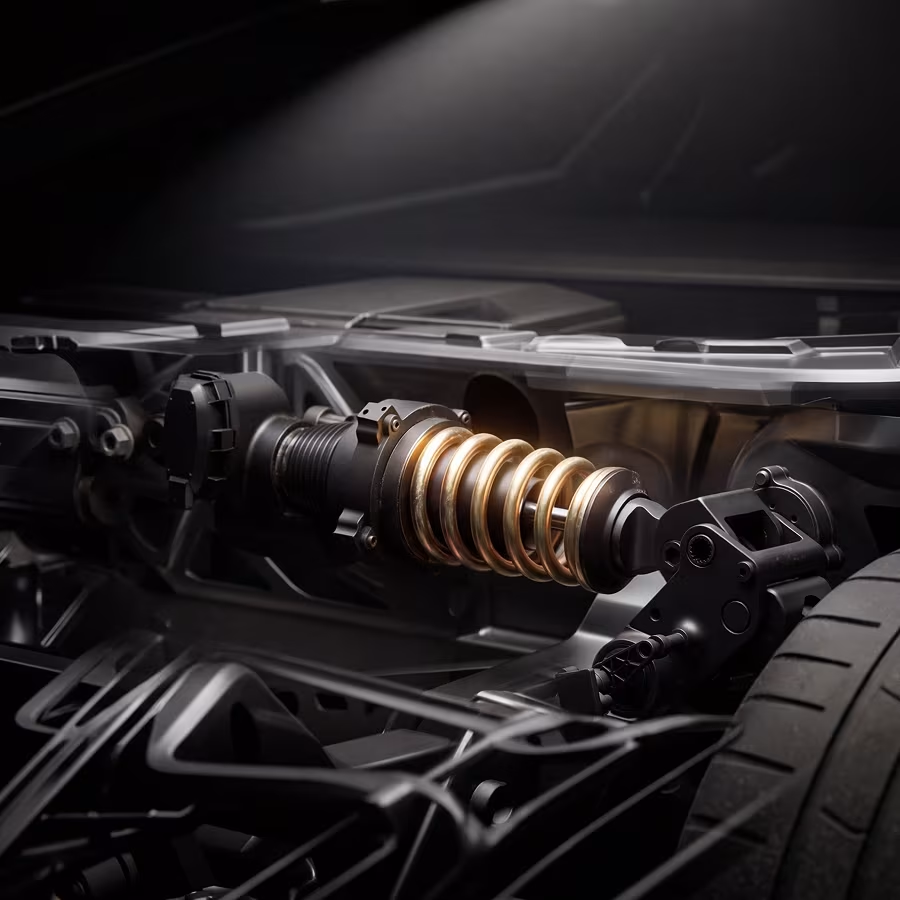
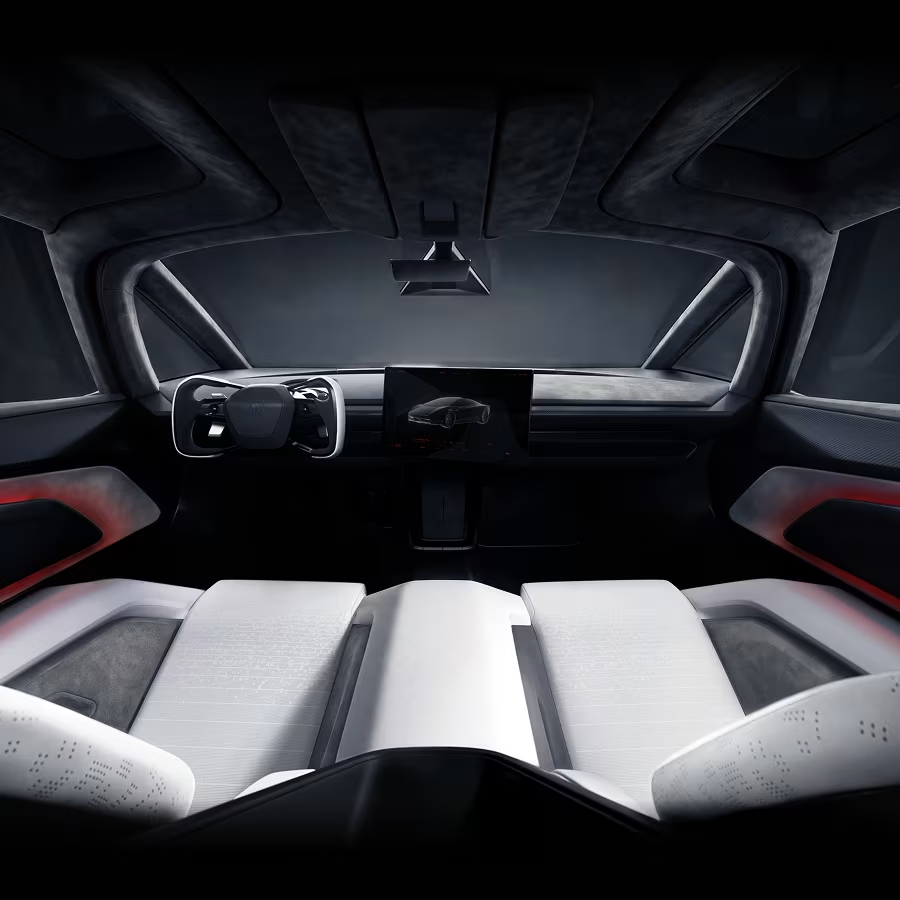
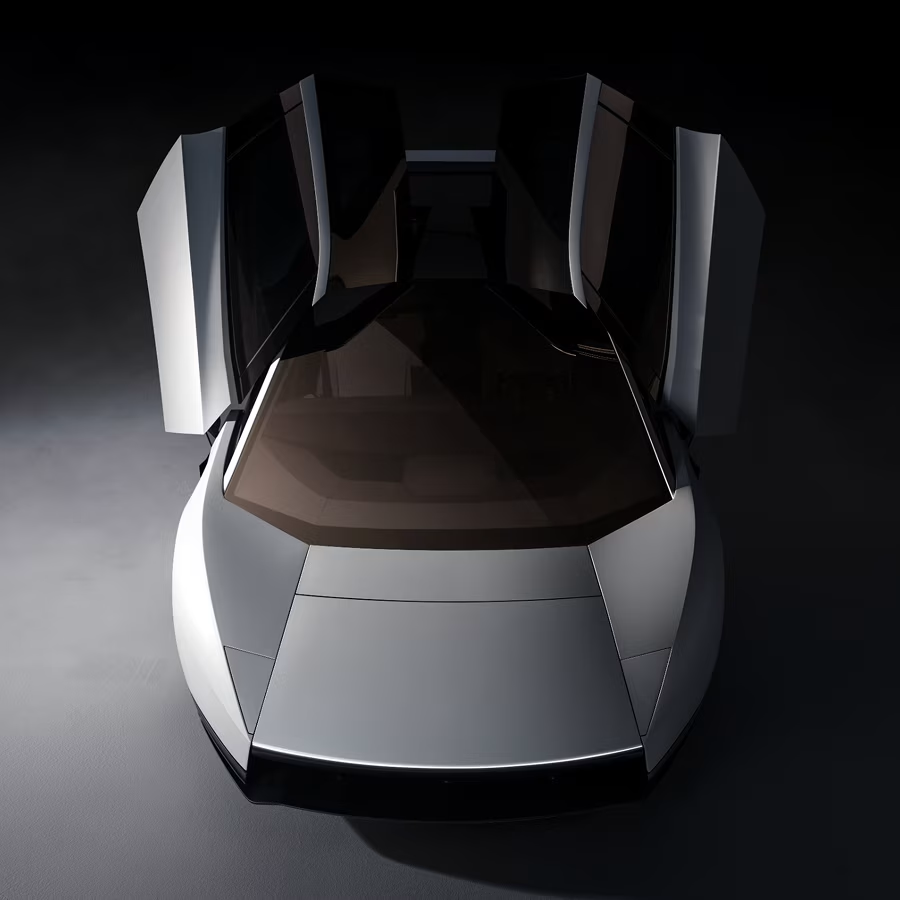
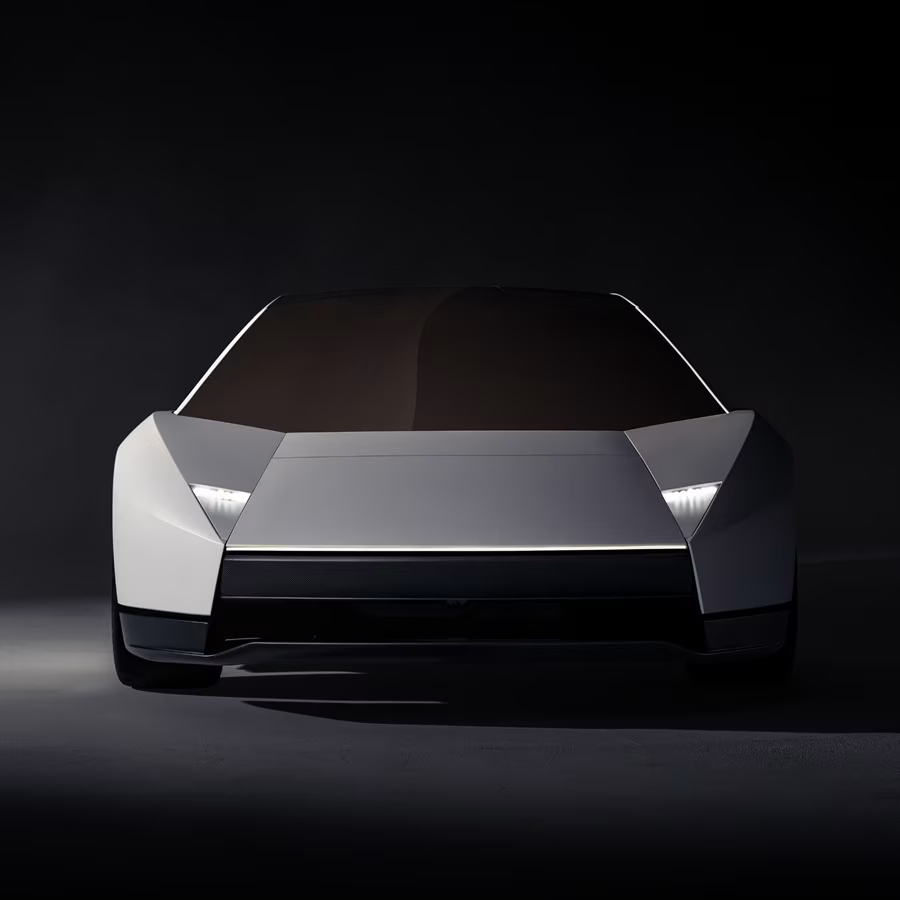
Context first. This is the car that kicked off the modern electric era in the first place, the original Roadster being the machine that proved an EV could be quick, desirable, and genuinely fun. The new one carries that weight. It is Tesla's statement piece, the model that exists to embarrass combustion supercars on their own turf.
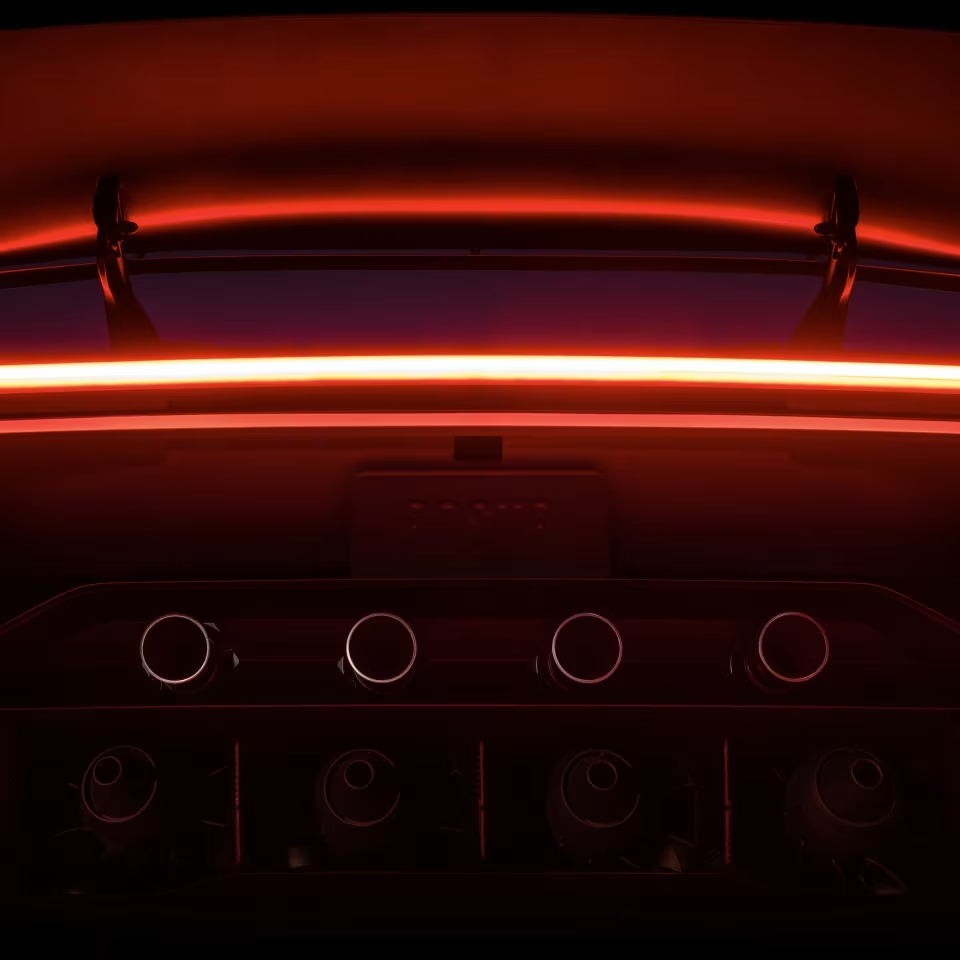
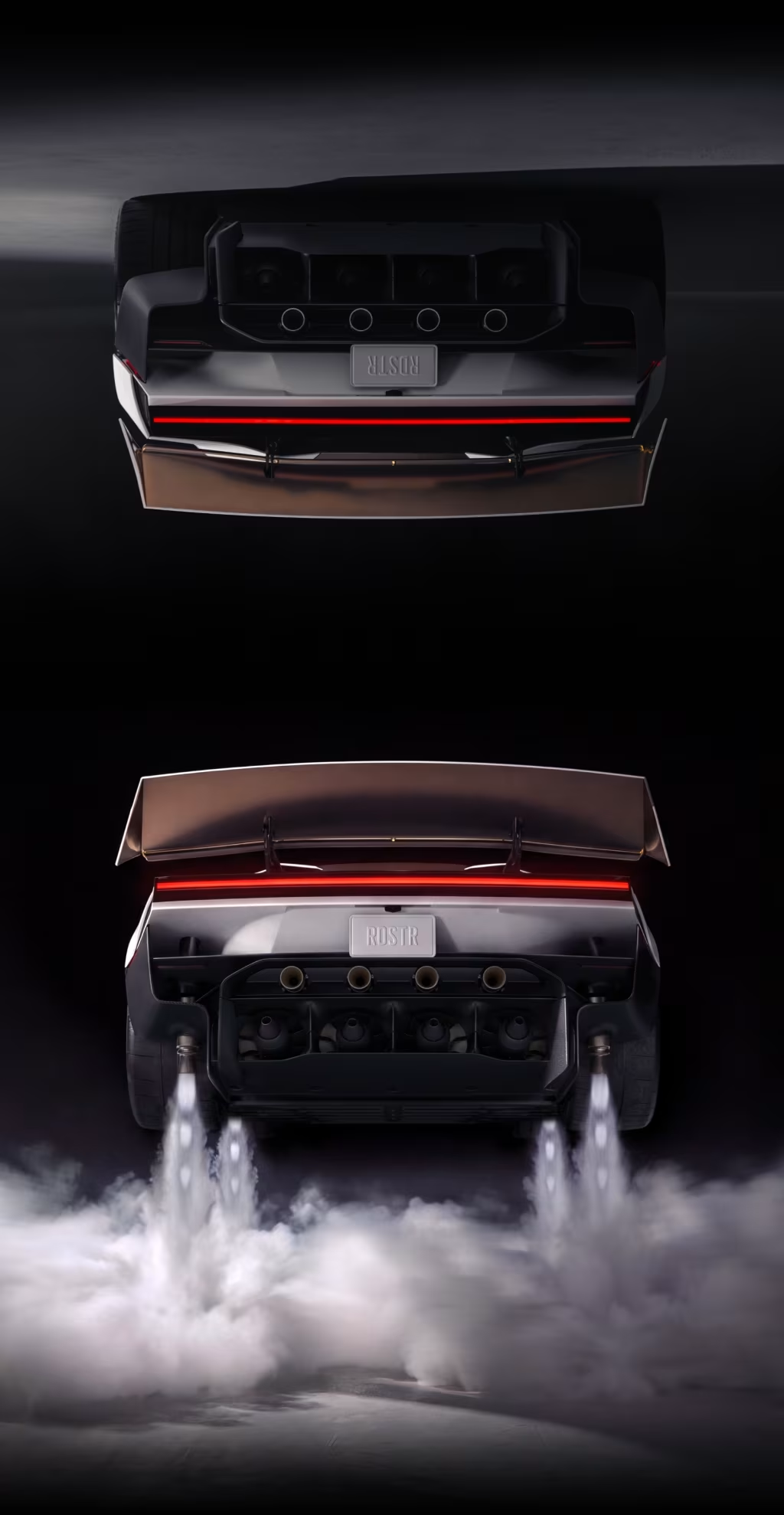
Tesla Reveals The New Roadster And The First Thing Anyone Noticed Was Gas Shooting Out The Back The new Tesla Roadster is officially here, and within seconds of the reveal, every camera in the room pointed at the same thing. Not the silhouette. Not the claimed performance numbers. Gas. Actual gas blasting out of the back of an electric car. That is the moment the internet lost its mind, and honestly, it is easy to see why. Tesla has spent years telling the world that combustion is dead, that the future is silent, instant, and battery powered. Then it rolls out its flagship halo car and the first visual anyone talks about is exhaust, or something that looks exactly like it, firing out the rear. The new Roadster was never supposed to need that kind of theatre. It is the car Tesla uses to remind everyone else in the industry who set the benchmark for electric performance in the first place. The brand that made EVs desirable rather than dutiful. So when the reveal footage shows gas blasting out the back, you have to ask a simple question. Is this a stunt, a cooling system doing its job in spectacular fashion, or Tesla quietly admitting that raw speed still needs a bit of drama?
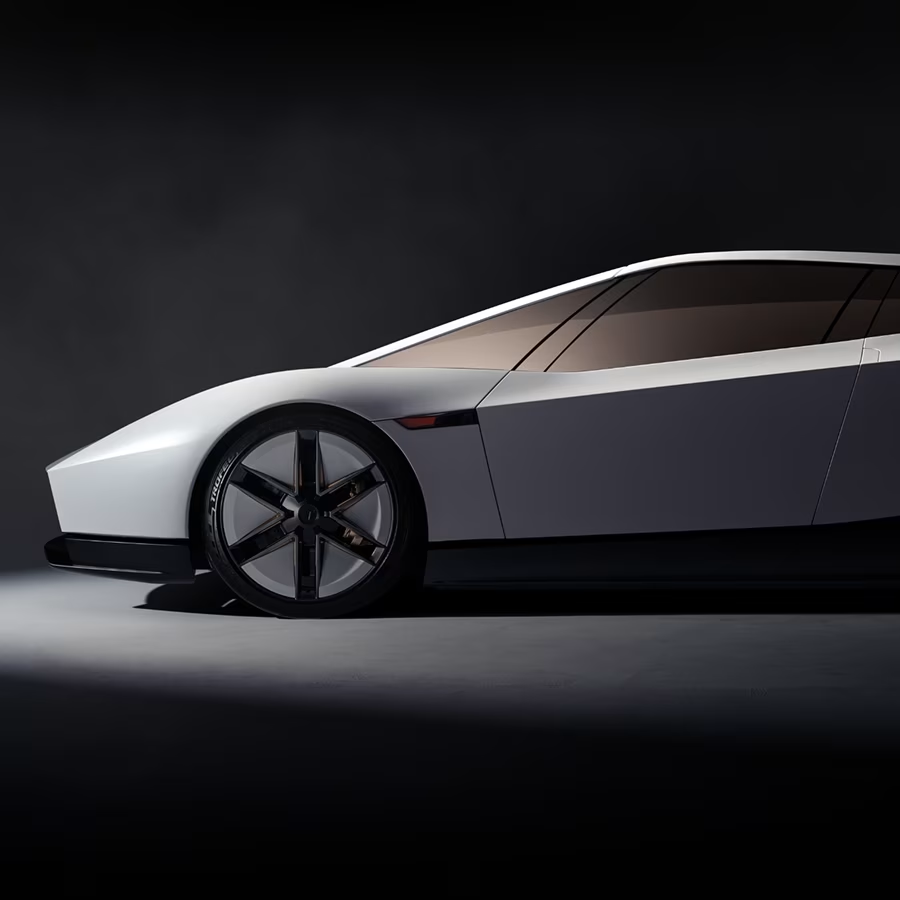
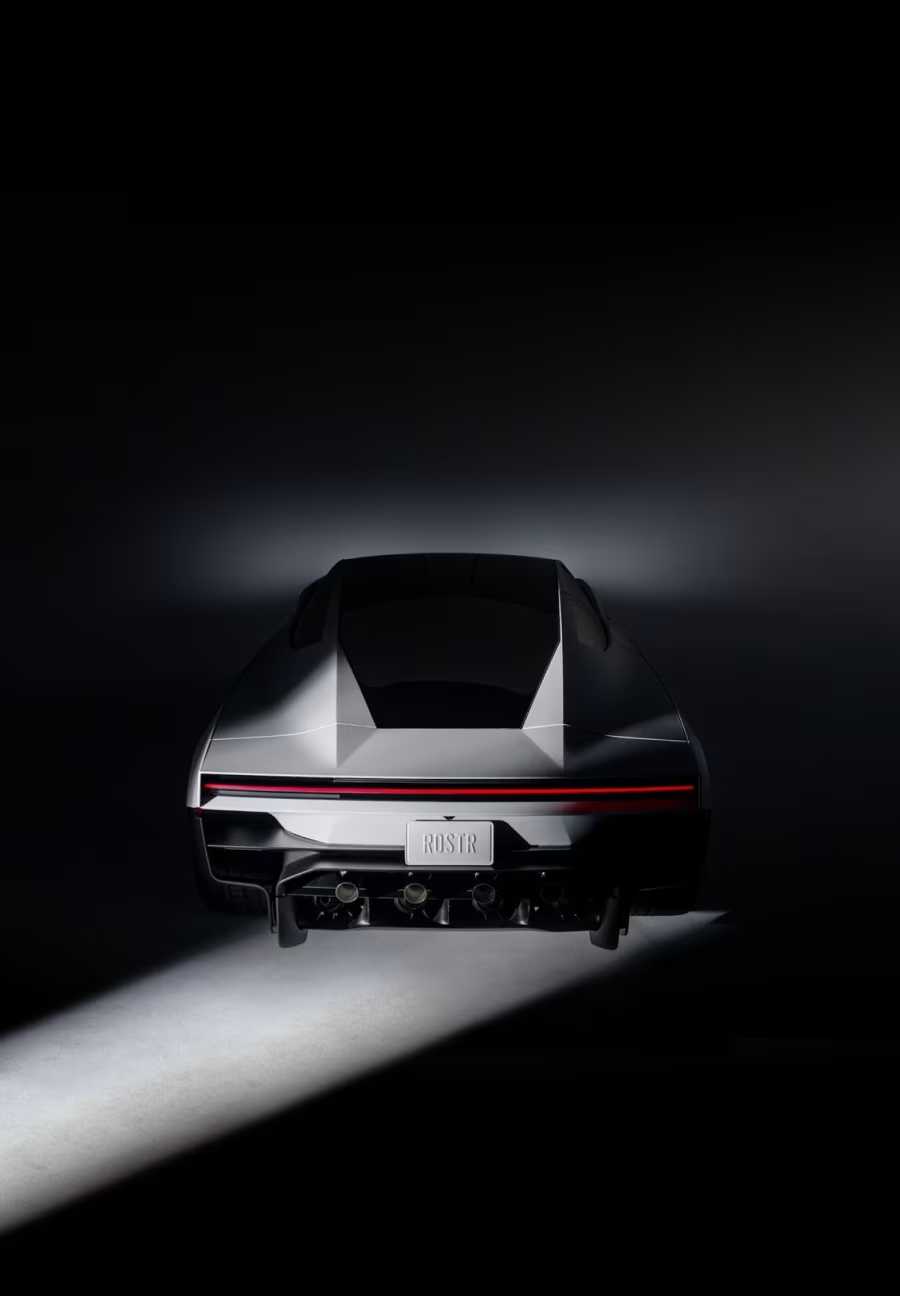
Why A Tesla Roadster Blowing Gas Out The Back Matters
So a visual of anything shooting out of the rear immediately gets interpreted through that lens. An electric car does not have a tailpipe in the traditional sense, which is exactly why the footage lands so hard. It looks like the one thing an EV is never supposed to do. And in a room full of people who cover this industry for a living, that contrast is pure gold. You can read more about how the brand's earlier performance flagship took on the established order in this Tesla Model S Plaid versus Porsche Taycan comparison, because the same argument plays out here. Tesla versus the old guard. Silence versus noise.
The reveal also lands at a strange moment for the wider EV conversation. Buyers are more informed than ever, and they ask harder questions about range, charging, and long term ownership than they did five years ago. An owner who put serious miles on an electric car and shared what they wish they had known first is worth reading if you want that reality check, and it sits right alongside the hype cycle that a Roadster reveal always generates.
What The Moment Says About Electric Performance Theatre
Here is the thing. Electric performance is effortless. It is instant torque with no build up, no revs, no rising wall of sound. That is the whole point, and it is also the marketing problem. Speed without drama is impressive on a stopwatch and strangely flat on a phone screen.

![Pump Pressure [Bar] 100](https://m.media-amazon.com/images/I/31tmgGJnWTL._SL500_.jpg)


Combustion cars sell the experience. The noise, the shake, the sense that something mechanical is being pushed to its limit. Tesla knows this better than anyone, which is why a reveal moment like this is so effective. It gives the audience a visual hook, something loud and physical, attached to a car that is quietly redefining what fast actually means.
Whether that gas is a genuine consequence of pushing a prototype hard or a deliberate piece of showmanship, the effect is identical. People are talking. The new Tesla Roadster did not need to be silent to make its point. It needed to be unforgettable. Mission accomplished on that front, with a footnote that nobody expected to be writing about an EV and the word gas in the same sentence.
Final Word
Tesla built its reputation on doing the opposite of everyone else. No grille, no tailpipe, no compromise. So when the new Roadster arrives and the very first impression is gas shooting out the back, it is either the best bait the brand has ever dangled or a genuine engineering moment caught on camera.
Either way, the conversation is exactly where Tesla wants it. Not on the spec sheet. On the screen.

Comments (0)
Please login to join the discussion
Be the first to comment on this article!
Share your thoughts and start the discussion