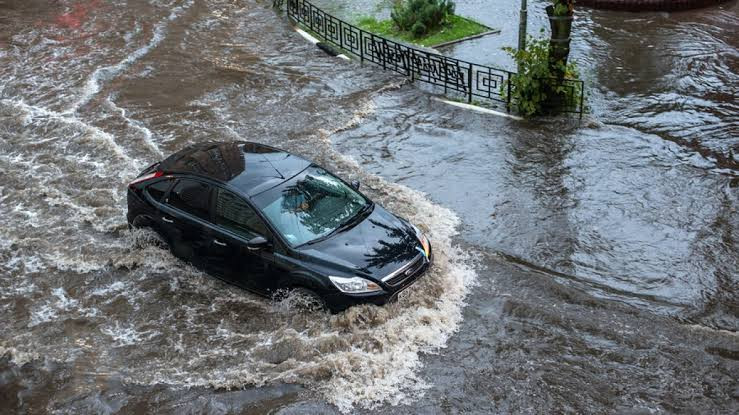
As climate change continues to impact our world, extreme weather events are becoming more frequent. One such event is flooding, which can pose serious risks to vehicles, including hybrid cars. In this article, we’ll explore whether a hybrid car can survive a flood, the components at risk, and essential precautions to protect your vehicle.
The Vulnerable Components

The Battery
The heart of any hybrid system is its battery. It provides the necessary power for both the electric motor and the internal combustion engine. Unfortunately, if the battery becomes submerged in water, it can suffer irreversible damage. Recharging may become impossible, rendering the car inoperable.
The Electric Motor
The electric motor, which relies on the battery, is also susceptible to water damage. If submerged, it can malfunction or even fail completely.
The Control Unit
The control unit manages the hybrid system, coordinating the interaction between the electric motor and the engine. Water exposure can disrupt its delicate electronics, leading to system failures.
The Fuel Tank
Unlike other components, the fuel tank is less protected. If submerged, it can develop leaks, potentially causing a fire hazard.
Precautions for Driving Through Floodwaters
While it’s generally advisable to avoid driving through floodwaters, sometimes circumstances force us to do so. If you find yourself in this situation, follow these precautions:
- Depth Matters: Do not drive through floodwaters deeper than 2 feet. Deeper water increases the risk of damage to critical components.
- Avoid Swift Currents: Water moving quickly can exert immense force on your car. Avoid areas with swift currents.
- Engine Stalling: If your car stalls in floodwaters, turn off the engine immediately. Attempting to restart it could worsen the damage.
- Post-Flood Inspection: After driving through floodwaters, have your car inspected by a qualified mechanic. They can assess any potential damage and recommend necessary repairs.


PLUSINNO H5 Horizontal Fishing Rod/Pole Holders for Garage,

HSTMYFS Garage Storage Hooks, 12 Pack Steel Heavy Duty Wall

Suspenix 2pcs Side Battery Terminal Bolts, Side Post Battery

AISIN TKH-002 Engine Timing Belt Kit with Water Pump - Compa
But Aren't Hybrids Just Like Regular Cars?
There's some truth to that. Hybrids share many components with conventional vehicles, including a gasoline engine, fuel tank, and electrical systems. All these components are vulnerable to floodwater damage.
However, some argue that these concerns are overblown. Here's why:
- Adaptable Designs: Hybrid SUVs, for example, can be equipped with features like high air intakes and sealed electronics, enhancing their flood wading capabilities. This highlights the potential for manufacturers to offer flood-resistant hybrid options in the future.
- Focus on Proportions: While hybrids do have electric components, they still have a gasoline engine. Both types of vehicles have electronics and batteries, so the overall risk profile might not be significantly different.
Additional Considerations
- Air Intakes: The air intakes for the engine and hybrid system are often located low on the car. Submersion can lead to engine stalling. Consider installing high air intakes to mitigate this risk.
- Exhaust System: Similarly, the exhaust system sits low. If submerged, it can cause the car to back up and create safety hazards. Regular inspections and maintenance are crucial.

The Future of Flood-Ready Hybrids?
With the increasing focus on extreme weather preparedness, car manufacturers might explore features that enhance a hybrid's flood resistance. This could involve:
- Strategic Placement of Components: Positioning electrical components higher in the vehicle to minimize water exposure.
- Improved Sealing Techniques: Developing water-resistant seals for critical components like the battery and electric motors.
- Wading Depth Upgrades: Offering hybrid models with increased wading capabilities through higher air intakes and exhaust systems.
In summary, while a hybrid car can survive a flood, it’s essential to take precautions. Understand the risks, protect vulnerable components, and prioritize safety. By following these guidelines, you can increase the chances of your hybrid vehicle weathering the storm. Remember, prevention is always better than repair when it comes to flood damage. Stay informed, stay safe, and keep your hybrid running smoothly! 🚗💧🌊

Comments (0)
Please login to join the discussion
Be the first to comment on this article!
Share your thoughts and start the discussion