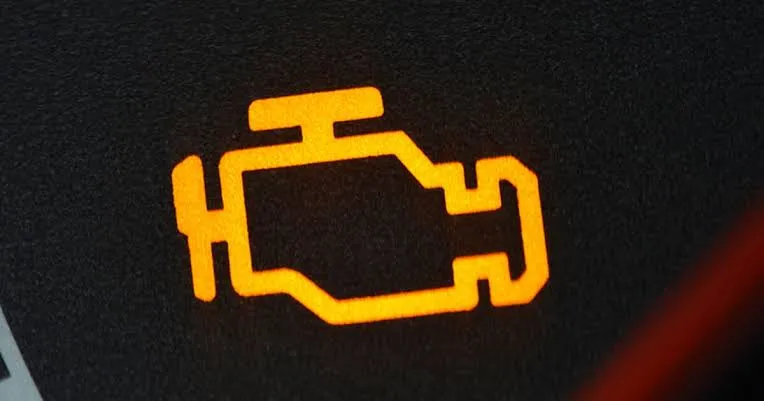
The dreaded check engine light. It illuminates on your dashboard, casting a shadow of uncertainty over your car's health and your wallet. While a faulty oxygen sensor is a common culprit, it's not the only reason the light might refuse to budge.
In this article, we delve into the various causes behind a persistent check engine light and offer insights for diagnosing and resolving the issue.
Mixed Signals from Sensors
Cars rely on a network of sensors to monitor vital functions and keep the engine running smoothly. Sometimes, a faulty sensor can send inaccurate data, triggering other sensors to misinterpret the information and throw off the entire system.
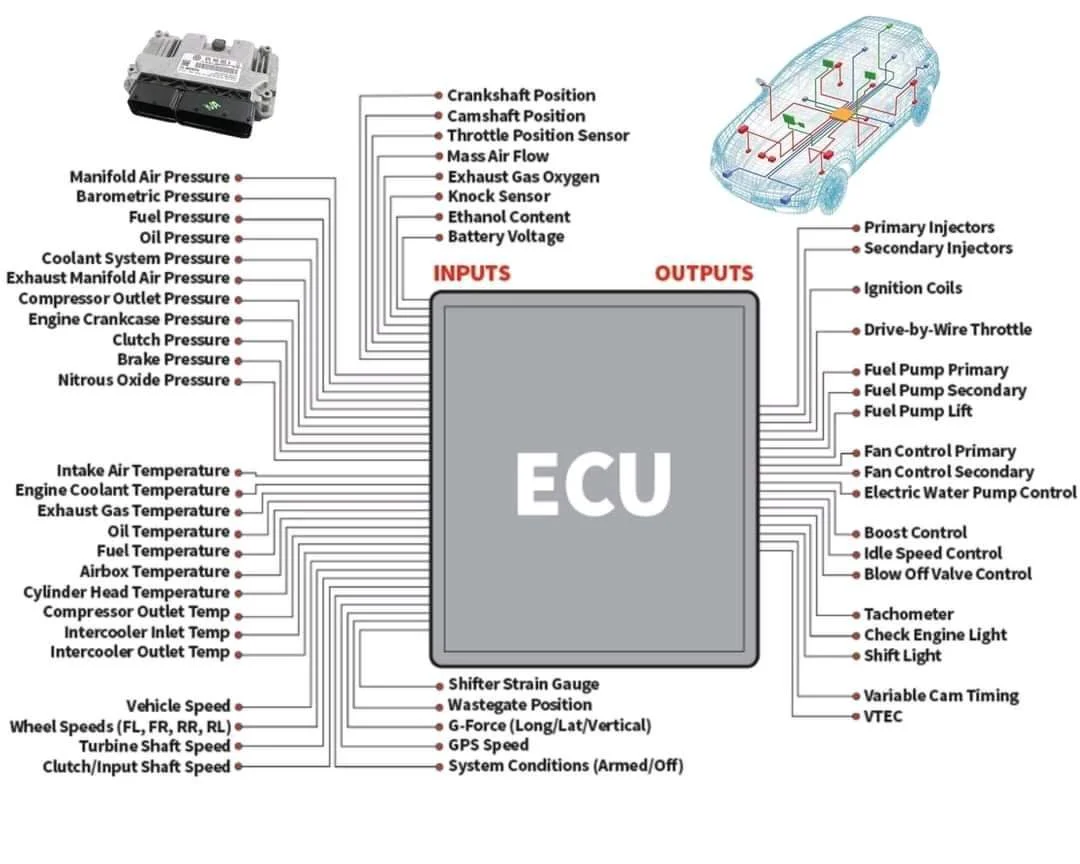
Here are some examples:
- Airflow Sensor: A faulty airflow sensor can lead to an incorrect air-fuel mixture, causing the oxygen sensor to send incorrect signals to the engine computer, further exacerbating the issue. The ECU may then throw an oxygen sensor related issue when its the mass air flow sensor which is faulty.
- Coolant Temperature Sensor: This sensor provides crucial data for fuel delivery and air intake. If it malfunctions, it can affect the readings of other sensors like the mass airflow sensor, leading to performance problems and potentially the check engine light staying on. At times this may make the ECU think its the mass air flow sensor which is faulty where else, it is the coolant sensor which is malfunctioning.
- Ignition Coil: A malfunctioning ignition coil can disrupt spark delivery, causing misfires and rough idling, potentially triggering knock sensor-related codes and keeping the check engine light illuminated.
- Fuel Injectors: Clogged or faulty injectors can disrupt fuel delivery, leading to an improper air-fuel mixture and symptoms like reduced power, rough idle, and increased emissions. These issues can trigger knock sensor-related codes and prevent the check engine light from turning off.
Beyond Sensor Issues:
While sensors are a common source of the problem, other factors can also contribute to the check engine light remaining on:

UMEIJA OBD2 Scanner with Upgrade Battery Tester - Diagnostic
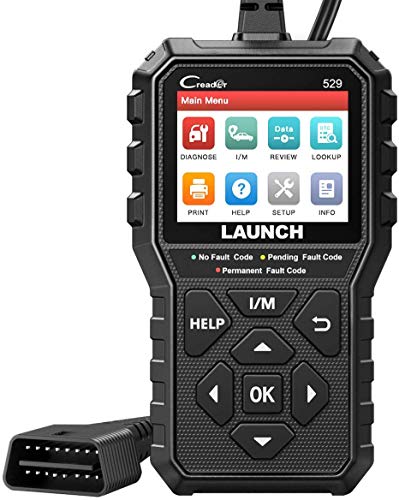
LAUNCH CR529 OBD2 Scanner Diagnostic Tool, Full OBD2 Scanner

WOLFBOX 3000A Jump Starter with Air Compressor, 16000mAh&160

WOLFBOX 4000A Jump Starter,12V Car Battery Jump Starter with
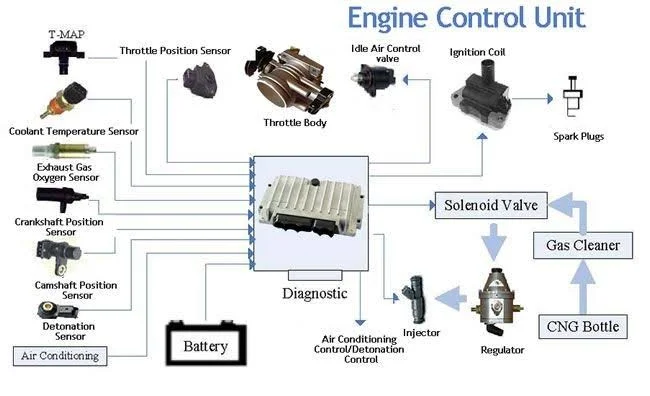
- Software Glitches: The engine control unit (ECU) manages your car's brain. Software glitches within the ECU can sometimes misinterpret sensor readings, leading to erroneous trouble codes and potentially misdiagnosis. This can keep the check engine light on even after the actual issue is resolved.
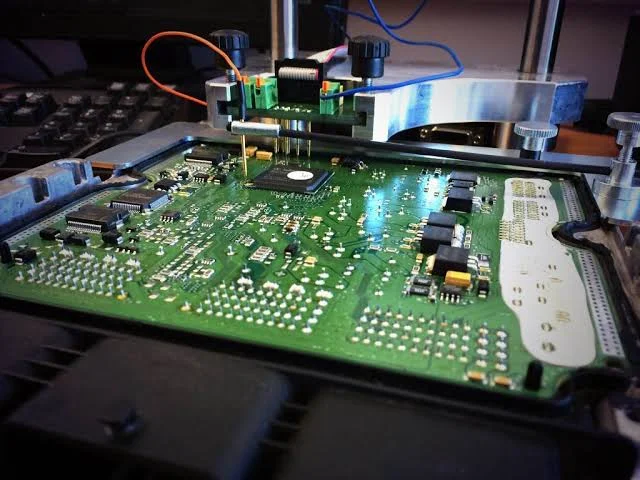
- Damaged ECU: The ECU itself can be damaged due to various factors like water damage, short circuits, or poor grounding. This can lead to malfunctioning, inaccurate readings, and a persistent check engine light.
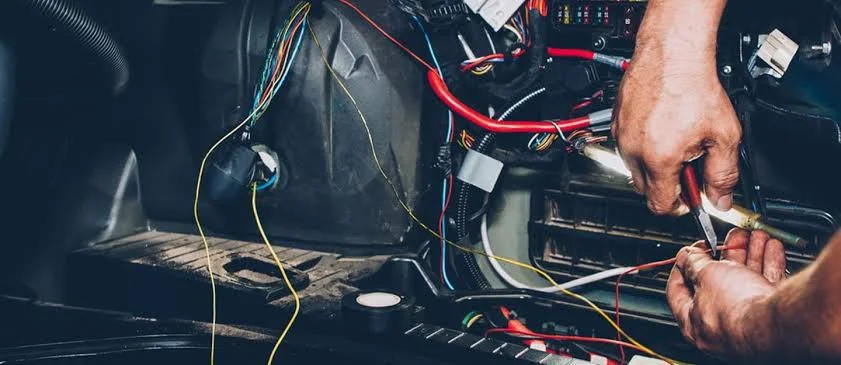
- Wiring Problems: Damaged or faulty wiring harnesses can disrupt communication between sensors and the ECU. This can lead to inaccurate readings, diagnostic trouble codes, and prevent the check engine light from turning off. Open circuits and short circuits within the wiring can also be culprits.
Diagnosis and Resolution:
A persistent check engine light requires proper diagnosis. While some issues might be easily identifiable, others may require specialized tools and expertise. Here's how to navigate the situation:
- Consult a Mechanic: A qualified mechanic can use diagnostic tools to identify the specific trouble code stored in the ECU. This code provides valuable insight into the root cause of the issue.
- Perform a Thorough Inspection: Beyond relying on codes, a mechanic will perform a thorough inspection of the various components, including sensors, wiring harnesses, and the ECU itself, to pinpoint the exact source of the problem.
- Repair or Replacement: Once the cause is identified, the mechanic will recommend the appropriate course of action, which might involve repairs, sensor replacements, fixing damaged wiring, or addressing software glitches.
- Clearing the Code: After resolving the issue, the mechanic will clear the trouble code from the ECU, allowing the check engine light to turn off.
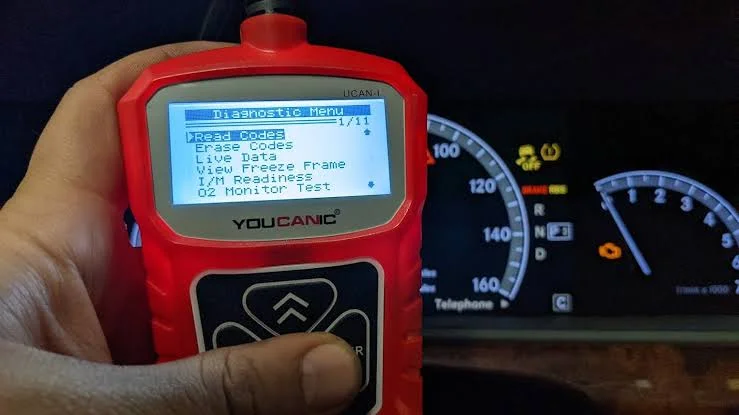
- Don't just rely on the check engine light! and the DTC codes: Your car's behavior can offer valuable clues about potential issues. Let's take rough idling as an example. This symptom could point to several faulty sensors, including:
Remember:
A persistent check engine light is not something to ignore. It's a signal that something is amiss within your car's system, and ignoring it can lead to further complications and potentially costly repairs. By understanding the potential causes and seeking professional help, you can ensure your car runs smoothly and prevent future problems.

Comments (0)
Please login to join the discussion
Be the first to comment on this article!
Share your thoughts and start the discussion