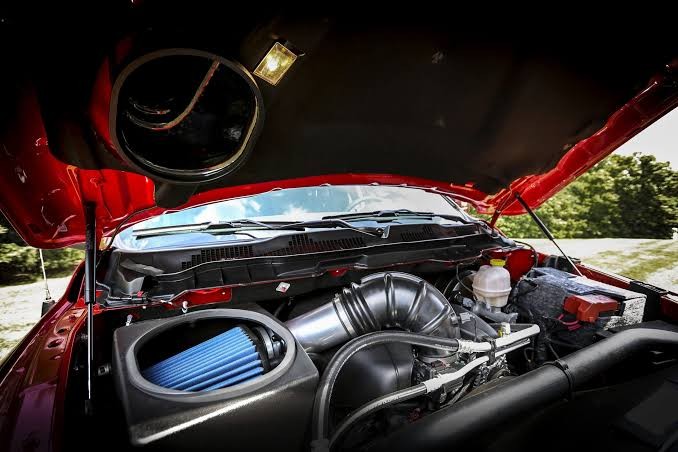
The answer is: both. In this article, we will explain how the engine and the ECU work together to produce and control the horsepower in a car.
Horsepower is a measure of the power output of a car's engine. It is calculated by multiplying the torque (the rotational force of the engine) by the engine speed (the revolutions per minute or rpm) and dividing by a constant factor. The higher the horsepower, the faster and more powerful the car.
But what determines the horsepower in a car, the engine or the electronic control unit (ECU)?

How the Engine Determines Horsepower
The engine is the main source of horsepower in a car. The engine's design and specifications affect how much horsepower it can produce. Some of the factors that determine the engine's horsepower are:
- Displacement: Displacement is the volume of air and fuel that the engine can draw in and compress in one cycle. The larger the displacement, the more power the engine can produce.
- Compression ratio: Compression ratio is the ratio of the volume of air and fuel before and after compression in the cylinder. The higher the compression ratio, the more power the engine can produce.
- RPM limit: RPM limit is the maximum speed that the engine can rotate without damaging itself. The higher the rpm limit, the more power the engine can produce.
- Boost pressure: Boost pressure is the amount of extra air that is forced into the engine by a turbocharger or a supercharger. The higher the boost pressure, the more power the engine can produce.
How the ECU Determines Horsepower
The ECU is a computer that controls various aspects of the engine's operation, such as fuel injection, ignition timing, valve timing, and boost pressure. The ECU can adjust these variables to optimize the performance, efficiency, and emissions of the engine.

Miady 12V 7Ah Rechargeable Sealed Lead Acid Battery(2 Pack)

FOXWELL NT301 OBD2 Scanner Graphing Live Data Diagnostic Cod

Sports Equipment Organizer Golf Bag Organizer Outdoor Toy St

Car Cube Brake Caliper Compression Tool,Durable Steel Brake
The ECU can also determine how much horsepower the engine can produce by limiting or enhancing some of these variables. For example, the ECU can:
- Reduce fuel flow or ignition timing to lower horsepower and prevent engine damage or overheating.
- Increase fuel flow or ignition timing to increase horsepower and improve acceleration or speed.
- Vary boost pressure to increase or decrease horsepower depending on driving conditions or driver's preference.
The ECU can also be modified or tuned to change its settings and alter the horsepower output of the engine. For example, an aftermarket ECU tuning can increase horsepower by increasing fuel flow, ignition timing, or boost pressure beyond their factory limits. However, this may also increase fuel consumption, emissions, or engine wear.
Conclusion
In conclusion, both the engine and the ECU determine how much horsepower a car has. The engine provides the raw power potential based on its design and specifications, while the ECU controls and modifies that power based on various factors. By understanding how these two components work together, you can better appreciate how your car performs and how you can improve it.

Comments (0)
Please login to join the discussion
Be the first to comment on this article!
Share your thoughts and start the discussion