If your car won't start because of a dead battery, don't panic. You can jumpstart your car with the help of another car and a set of jumper cables.
Jumpstarting your car is a simple and safe procedure, as long as you follow the right steps and precautions. Here is a step-by-step guide on how to jumpstart your car using jumper cables.
What You Need
To jumpstart your car, you will need the following items:
- Another car with a working battery
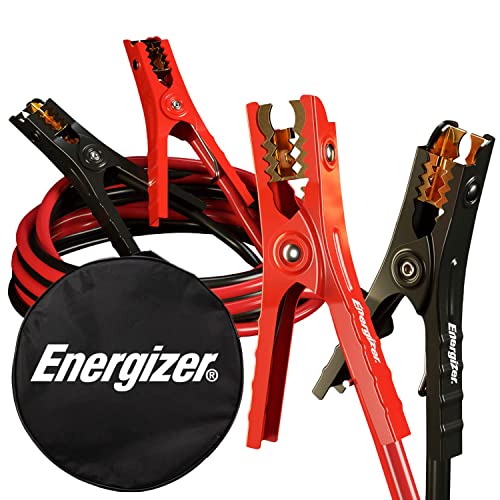
- A set of jumper cables
- A pair of gloves and eye protection (optional but recommended)
Troubleshooting Car Battery Drain: A Comprehensive Guide
Step 1: Park the Cars Close to Each Other
The first step is to park the car with the working battery close to the car with the dead battery, but not touching. The distance between the two cars should be as small as possible, so that the jumper cables can reach both batteries. Turn off both engines, radios, lights, and any other electrical devices in both cars. Put both cars in park or neutral, and set the parking brakes.
Step 2: Locate the Batteries and Terminals
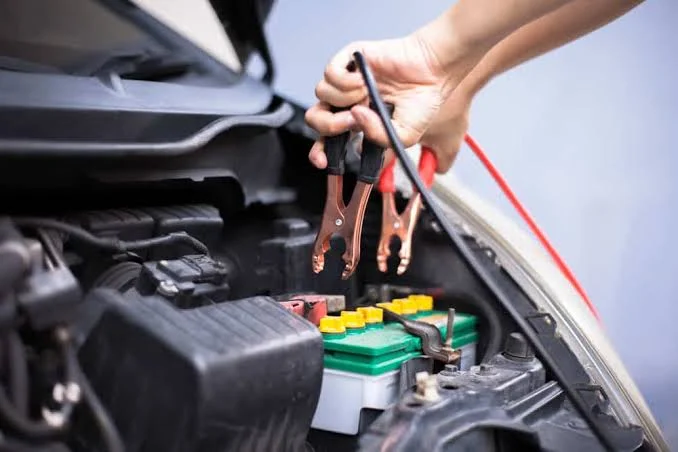
The next step is to locate the batteries and terminals in both cars. The battery is usually located in the engine compartment, near the front of the car, on the right or left side. However, some cars may have the battery in the trunk or under the rear seat. If you are not sure where the battery is in your car, check your owner's manual for guidance.
The battery has two terminals: a positive terminal and a negative terminal. The positive terminal is marked with a plus sign (+) and usually has a red cable attached to it. The negative terminal is marked with a minus sign (-) and usually has a black cable attached to it. The terminals may also have plastic covers that you need to remove or flip open.
Step 3: Connect the Jumper Cables
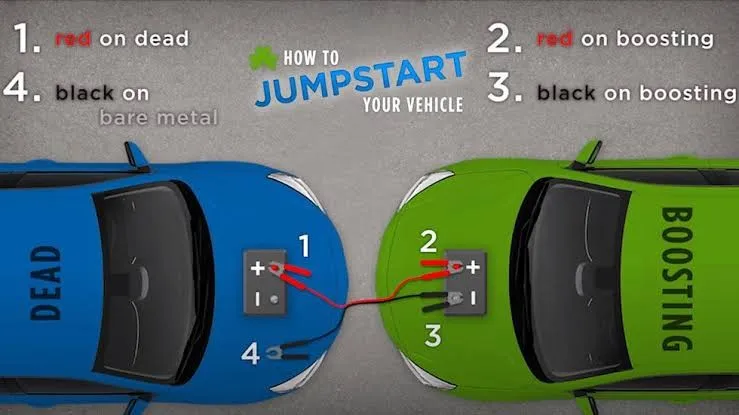
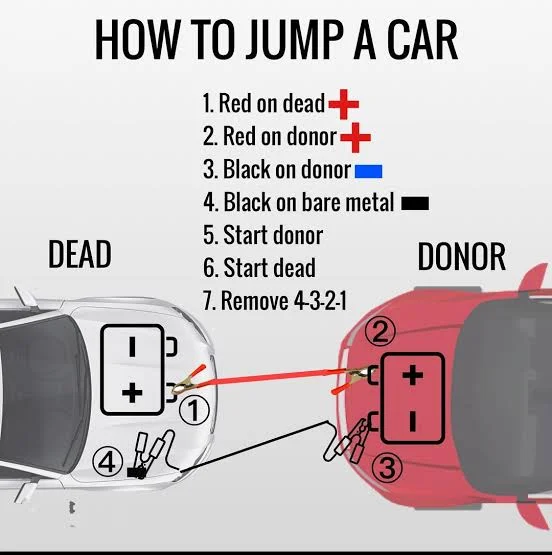
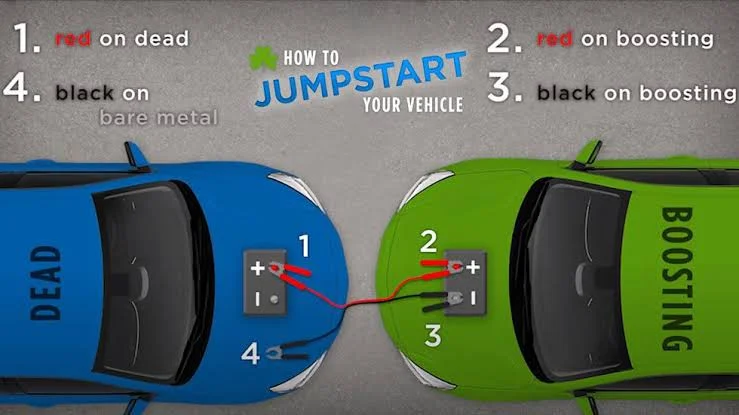
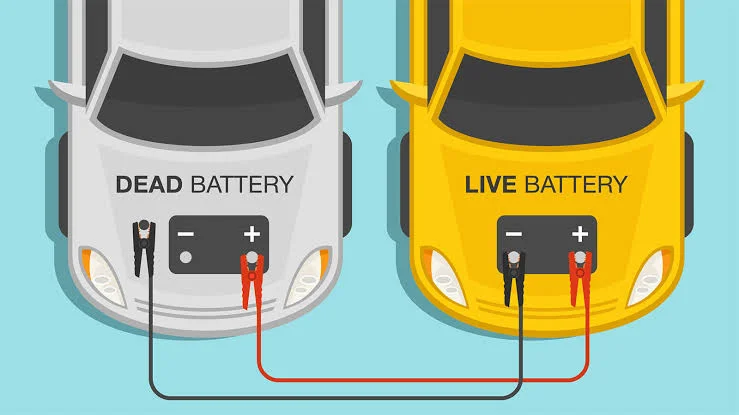
The third step is to connect the jumper cables to the batteries in a specific order. Make sure that the jumper cables are not tangled or touching each other, and that the clamps are clean and free of corrosion. Follow these steps to connect the jumper cables correctly:
- Connect one end of the red (positive) cable to the positive terminal of the dead battery.
- Connect the other end of the red (positive) cable to the positive terminal of the working battery.
- Connect one end of the black (negative) cable to the negative terminal of the working battery.
- Connect the other end of the black (negative) cable to an unpainted metal part of the car with the dead battery, such as a bolt, nut, or bracket. This will provide a ground for the circuit and prevent sparks.
Step 4: Start the Car with the Working Battery
The fourth step is to start the car with the working battery and let it run for a few minutes. This will allow the working battery to charge up the dead battery through the jumper cables. You may also rev up the engine slightly to increase the charging speed.
Toyota Invests in New Battery Technology, Eyes 1.5 Million EV Sales by 2026
Step 5: Start the Car with the Dead Battery
The fifth step is to try to start the car with the dead battery. If it starts, congratulations! You have successfully jumpstarted your car. If it does not start, wait for another few minutes and try again. If it still does not start after several attempts, there may be another problem with your car, such as a bad starter or alternator.
Energizer Jumper Cables for Car Battery, Heavy Duty Automoti

XTOOL D7 Bidirectional OBD2 Scanner: 2025 Scan Tool with ECU
10Pcs Silver Metal Hex Ball Head Screws for TT01 TT02 D5 1/1

VW Jetta and Golf Haynes Repair Manual: Jetta 2011 thru 2018
Step 6: Disconnect the Jumper Cables
The sixth and final step is to disconnect the jumper cables in reverse order from how you connected them. Follow these steps to disconnect them safely:
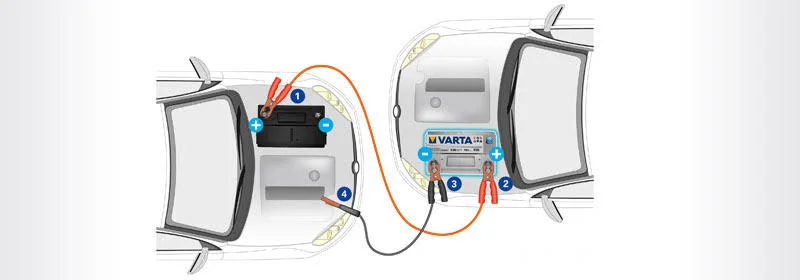
- Disconnect one end of the black (negative) cable from an unpainted metal part of the car with the dead battery.
- Disconnect one end of black (negative) cable from negative terminal of working battery.
- Disconnect one end of red (positive) cable from positive terminal of working battery.
- Disconnect one end of red (positive) cable from positive terminal of dead battery.
Be careful not to let any of clamps touch each other or any metal parts while disconnecting them.
Why you should consider upgrading to a controled car starting system.
Tips and Warnings
Here are some tips and warnings to keep in mind when jumpstarting your car:
- Always wear gloves and eye protection when handling jumper cables and batteries, as they can be dangerous if mishandled.
- Never connect or disconnect jumper cables while either engine is running, as this can cause damage or injury.
- Never connect jumper cables to any other part of car than specified, as this can cause damage or injury.
- Never touch or lean on either car while jumpstarting, as this can create an electric shock hazard.
- Never smoke or use any open flame near batteries, as they can explode if exposed to sparks or fire.
- After jumpstarting your car, drive it for at least 15 minutes to recharge the battery fully. You may also want to have your battery tested or replaced by a professional if it is old or weak.

Comments (0)
Please login to join the discussion
Be the first to comment on this article!
Share your thoughts and start the discussion