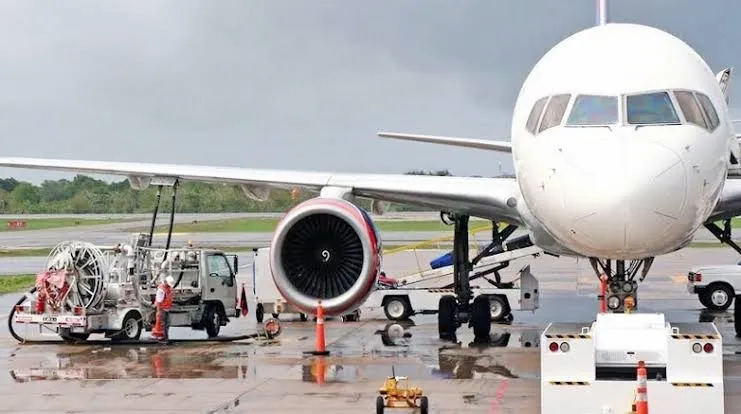
Safety is paramount in aviation, and ensuring passengers' well-being in the unlikely event of a crash is a top priority for airlines and regulatory authorities worldwide.
This comprehensive guide explores the various safety measures and protocols that are meticulously designed and rigorously enforced to keep passengers safe during a crash. From aircraft design to emergency procedures, we delve into the critical aspects that contribute to aviation safety.
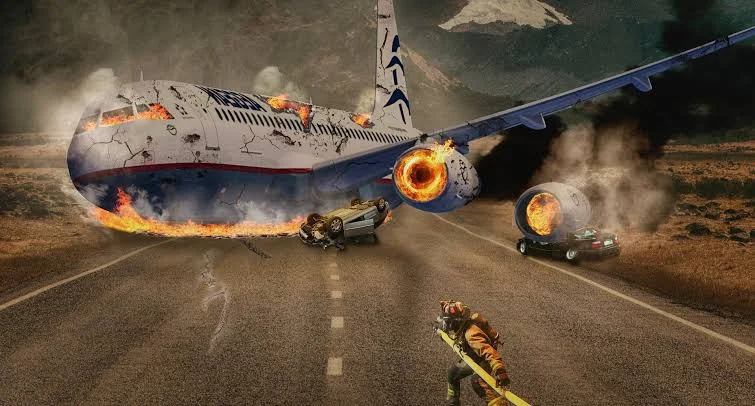
Aircraft Design and Certification
The foundation of passenger safety begins with the aircraft itself:
- Structural Integrity: Aircraft are rigorously tested to withstand various stress factors, ensuring they can endure a crash.
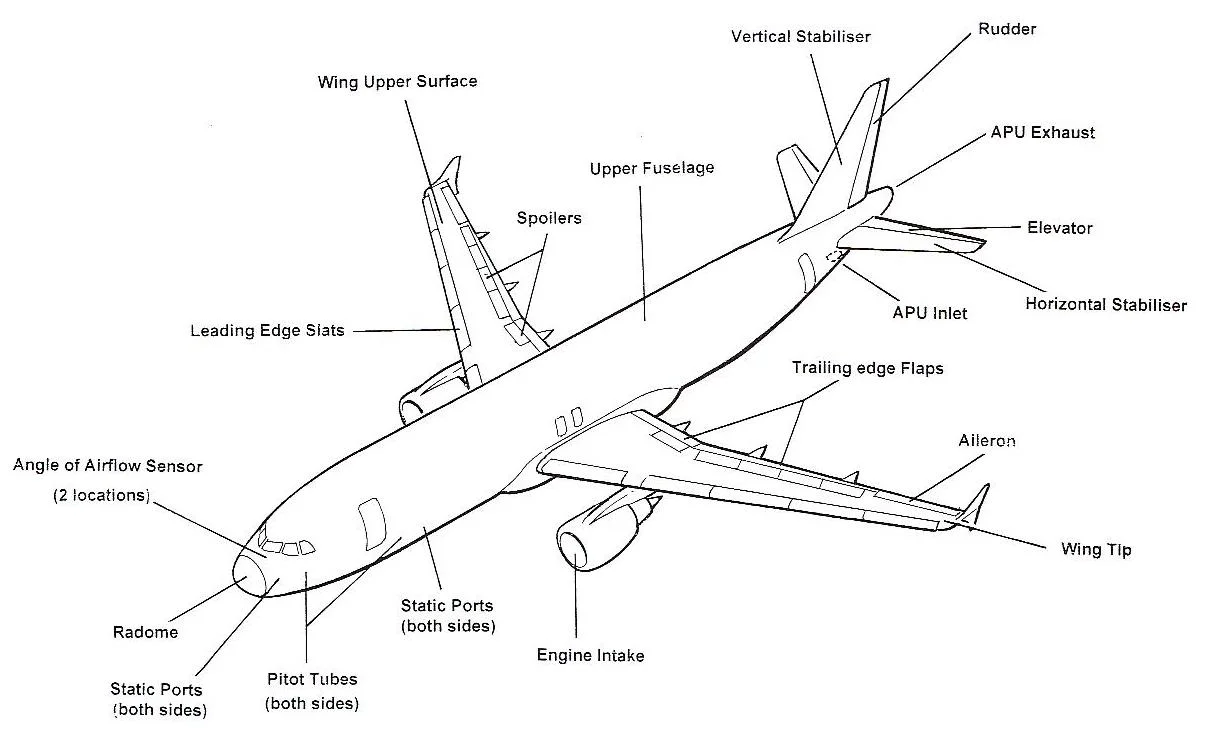
- Crashworthiness: Cabin interiors are designed with energy-absorbing materials to protect occupants during impact.
Read Also: Airbus and Boeing: The Battle of the Titans
Regular Maintenance and Inspection
Aircraft undergo stringent maintenance and inspection routines:
- Scheduled Inspections: Routine checks ensure all components, from engines to landing gear, are in optimal condition.
- Safety Checks: Pre-flight inspections by ground crews and pilots verify the aircraft's readiness.
Crew Training and Certification
Highly trained flight and cabin crews are essential for passenger safety:
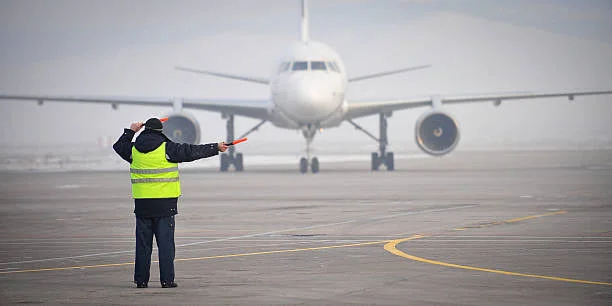
- Emergency Training: Crew members are trained extensively in emergency procedures, including evacuations and fire suppression.
- Simulator Training: Pilots regularly undergo simulator training to handle emergency scenarios.
Evacuation Procedures
In the event of an emergency, rapid evacuation is crucial:
- Emergency Exits: Aircraft are equipped with multiple exits, including over-wing exits and emergency slides.
- Passenger Briefings: Pre-flight safety briefings instruct passengers on seatbelts, life vests, and evacuation procedures.
Read Also: Unlocking the Skies: A Comprehensive Guide to Thriving in the Aviation Industry
Fire Safety Measures
Fire safety is a priority:
- Fire-Resistant Materials: Aircraft interiors are constructed with fire-resistant materials to slow down the spread of flames.
- Fire Suppression Systems: Onboard fire suppression systems help control fires.
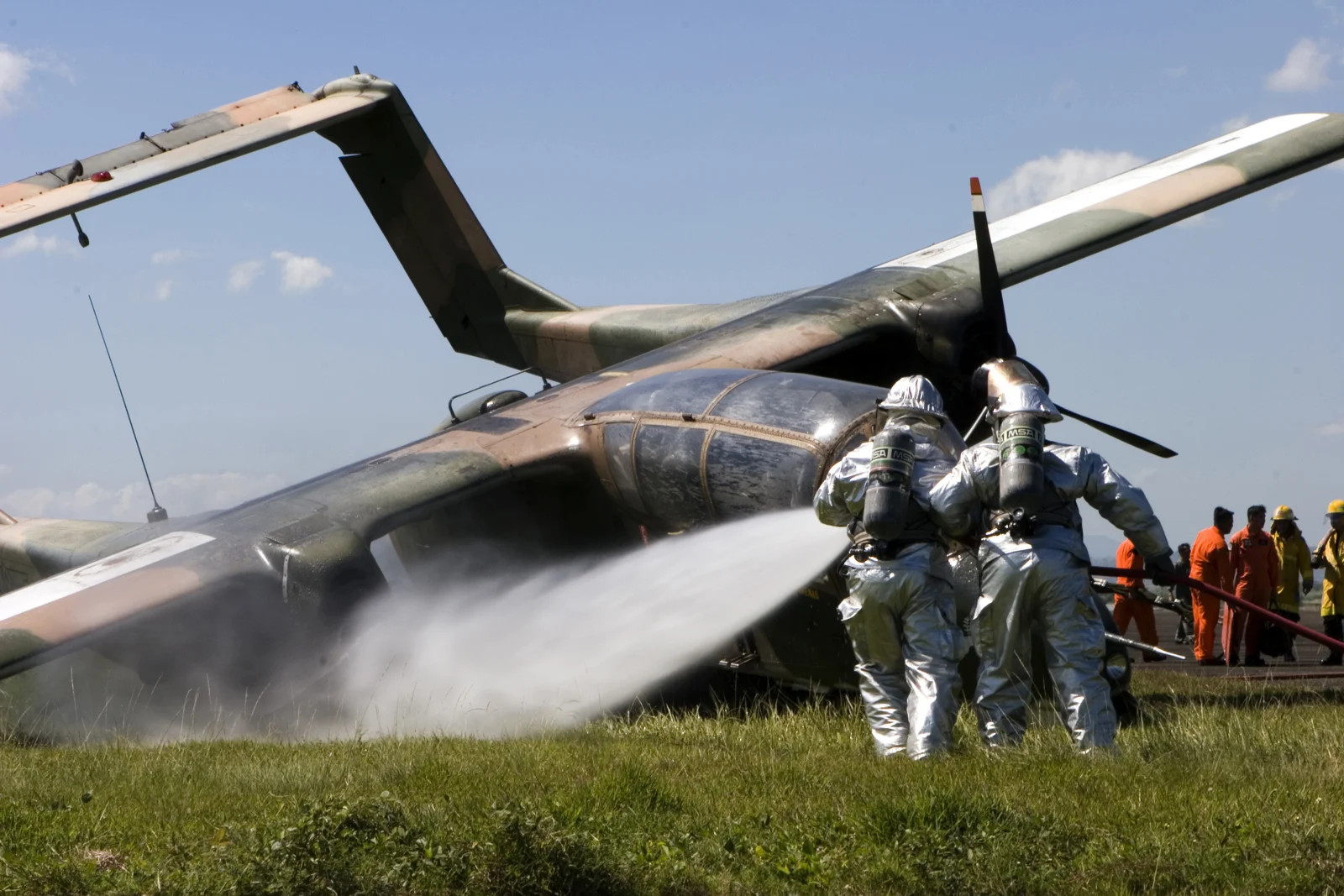
Post-Crash Response
After a crash, swift and organized response is vital:

CRAFTSMAN Screwdriver Set, Slotted & Phillips, 14Piece (CMHT

Autel Scanner MaxiCOM MK900BT, 2025 MK900-BT Bidirectional D

ANCEL Heavy Duty Truck Scanner HD601 All System Diesel Diagn

monTEK Swivel Bike Wall Mount, Bike Hangers for Garage, Spac
- Search and Rescue: Rescue teams are prepared to respond immediately.
- Medical Personnel: Medical staff are available to provide care for injured passengers.
Crash Investigations
Crash investigations help improve safety:
- Black Boxes: Flight data recorders and cockpit voice recorders provide crucial data.
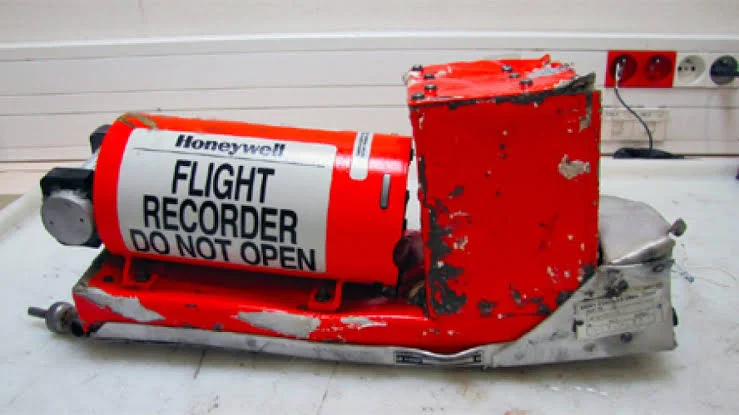
- Regulatory Oversight: Aviation authorities investigate crashes to identify contributing factors.
Passenger Role in Safety
Passengers play a part in their own safety:
- Seatbelt Use: Fastening seatbelts during turbulence and takeoff/landing is essential.
- Listening to Crew: Following instructions from flight attendants is crucial in emergencies.
Read Also: What Happens When a Pilot Misses the Landing on US Aircraft Carriers
Conclusion: A Commitment to Safety
The aviation industry's commitment to passenger safety is unwavering. Rigorous aircraft design, maintenance, crew training, and emergency procedures are all part of a multifaceted approach to protect passengers in the rare event of a crash. By adhering to these measures and remaining vigilant while flying, passengers can contribute to a culture of aviation safety and enjoy air travel with confidence.

Comments (0)
Please login to join the discussion
Be the first to comment on this article!
Share your thoughts and start the discussion