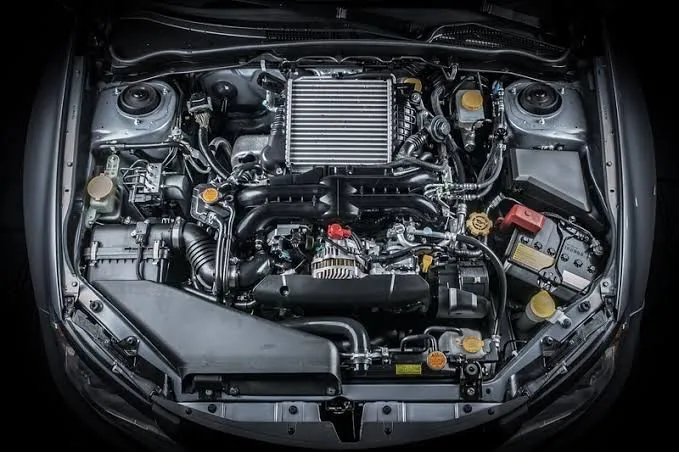
A car that won't start can be a frustrating problem, but it's usually not a major one. In most cases, the problem can be diagnosed and fixed with a few simple steps.
In this article, we'll walk you through the six easy steps to diagnose a car that won't start. By following these steps, you'll be able to narrow down the problem and find the solution quickly and easily.
Step 1: Check the battery
The battery is the most common cause of a car that won't start. To check the battery, turn on the headlights and listen for a clicking noise. If you hear a clicking noise, it means the battery is not providing enough power to start the car.
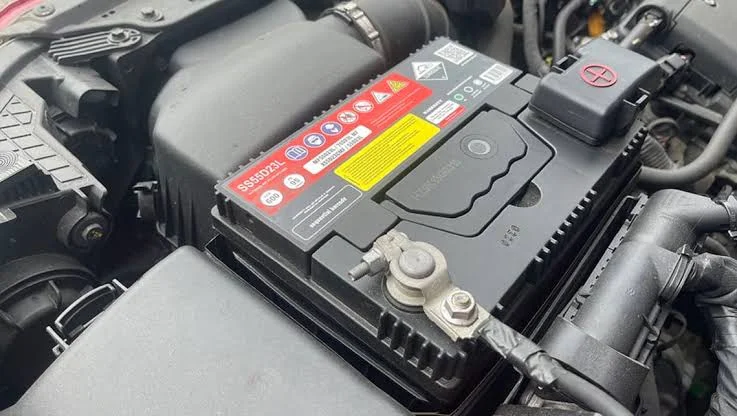
How to Jumpstart Your Car: A Step-by-Step Guide
You can also check the battery voltage with a voltmeter. The battery voltage should be at least 12.6 volts. If the battery voltage is lower than 12.6 volts, the battery needs to be charged or replaced.
Step 2: Check the starter motor
The starter motor is responsible for turning the engine over when you turn the key in the ignition. To check the starter motor, connect a jumper cable from the positive terminal of the battery to the starter motor terminal. If the starter motor turns the engine over, then the starter motor is working properly.
Starter Motor: Functions, Parts, Troubleshooting, and Common Issues Explained
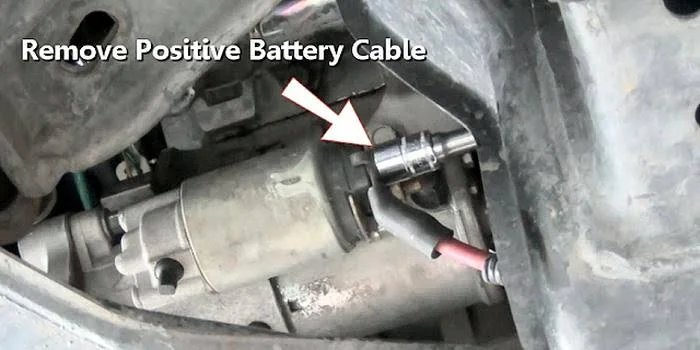
If the starter motor does not turn the engine over, then the starter motor is either faulty or there is a problem with the wiring to the starter motor.
Step 3: Check the fuel system
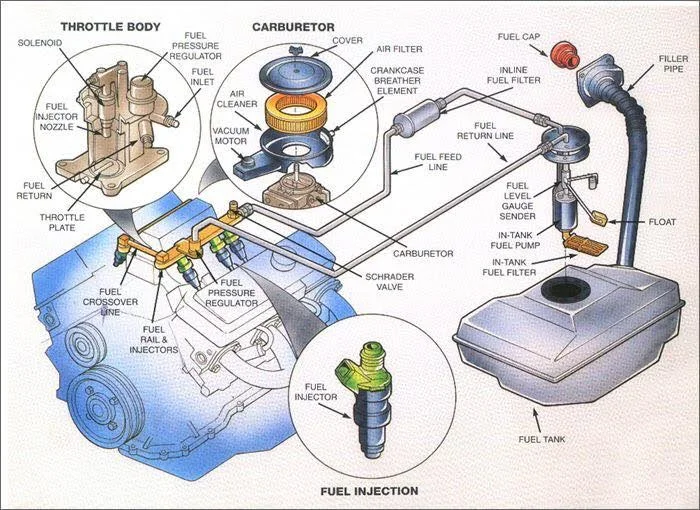
The fuel system is responsible for delivering fuel to the engine. To check the fuel system, make sure there is fuel in the tank. You can also try to start the car in neutral to see if it will start. If the car does not start in neutral, then there is a problem with the fuel system.

UPLUS BCI Group 94R Car Battery, AGM-L80-UP Maintenance Free

CRAFTSMAN Mechanics Tool Set, 256-Piece Hand Tool and Socket

LLNDEI 3/8”Drive Impact Socket Set,Standard SAE(5/16 to 3/4-

AVAPOW 6000A Car Battery Jump Starter(for All Gas or up to 1
Step 4: Check the spark plugs
The spark plugs are responsible for igniting the fuel in the engine. To check the spark plugs, remove them from the engine and inspect them for damage. If the spark plugs are damaged, they need to be replaced.
Engine Knock: Causes, Prevention, and Maintenance
Step 5: Check the ignition system
The ignition system is responsible for providing the spark that ignites the fuel in the engine. To check the ignition system, you can use a spark tester. A spark tester is a tool that helps you to test the spark plugs and the ignition coil.
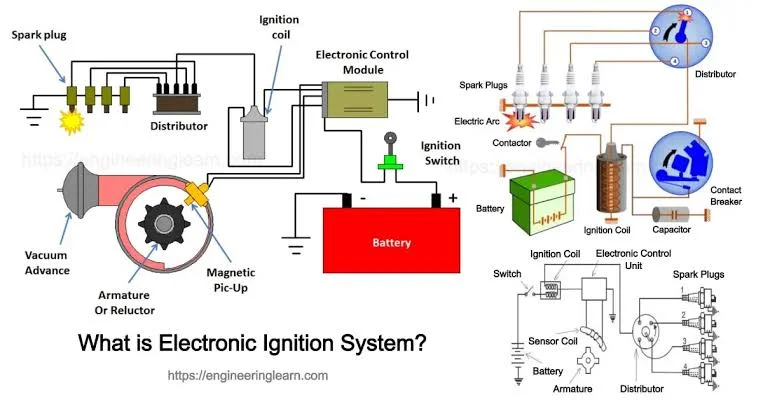
Step 6: Check the engine itself
If you have checked all of the other components and the car still won't start, then the problem may be with the engine itself. This could be a more serious problem and you may need to take the car to a mechanic to diagnose the problem.
A Comprehensive Guide to Understanding the Essential Parts of an Engine
Conclusion
By following these six easy steps, you can diagnose a car that won't start in most cases. If you are unable to diagnose the problem yourself, you can take the car to a mechanic to get the problem fixed.
NOTE
- If you are not comfortable working on your car, it is always best to take it to a mechanic.
- When working on your car, always wear safety glasses and gloves.
- Be sure to disconnect the battery before working on the electrical system.
I hope this article has been helpful. If you have any questions, please feel free to ask.

Comments (0)
Please login to join the discussion
Be the first to comment on this article!
Share your thoughts and start the discussion