
When it comes to slowing down your vehicle on the road, two primary methods come into play: transmission braking and engine braking.
Both techniques have their merits, but understanding when and how to use them can greatly influence your driving experience and vehicle maintenance. In this article, we'll delve into the world of braking methods, explore their differences, benefits, and guide you on choosing the right one for various driving scenarios.
Transmission Braking:
Transmission braking, also known as downshifting, involves shifting to a lower gear to slow down the vehicle. This method uses engine compression resistance to reduce speed, and it's particularly useful when descending steep hills or navigating winding roads. By downshifting, you allow the engine to manage speed without relying solely on the conventional braking system. This can help prevent brake fade during prolonged downhill descents and reduce wear on brake components.

Engine Braking:
Engine braking, on the other hand, is a technique that utilizes the engine's own compression to slow down the vehicle without using the accelerator. It's achieved by releasing the throttle and allowing the engine to create a vacuum-like effect within the cylinders. Engine braking is especially effective in situations where the brakes might overheat or wear out quickly, such as when towing heavy loads or descending long inclines.
Choosing the Right Method:
The choice between transmission braking and engine braking depends on several factors:
- Driving Conditions: If you're navigating a downhill slope or descending a mountain pass, transmission braking can help control speed without overloading the braking system.
- Brake Health: To extend the life of your brakes, especially during long descents, engine braking can be a valuable ally in reducing the load on your brake components.
- Towing: When towing a heavy trailer, engine braking helps prevent excessive wear on your brakes and provides better control over your vehicle and trailer.
- Fuel Efficiency: Transmission braking consumes fuel, while engine braking uses virtually none. If you're looking to save on fuel, engine braking can be a more efficient choice.
- Driver Preference: Some drivers enjoy the control and engagement of downshifting, while others prefer the simplicity of engine braking.


FOXWELL Car Scanner NT604 Elite OBD2 Scanner ABS SRS Transmi
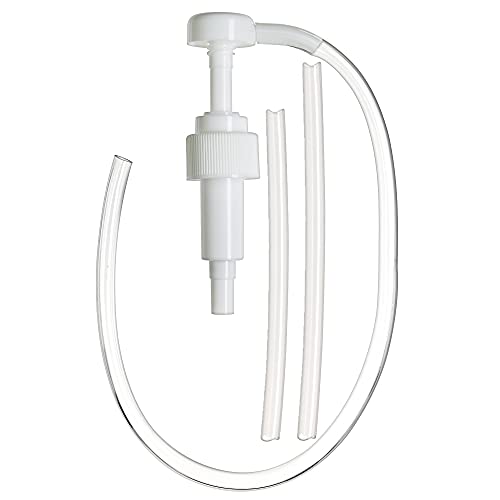
Slippery Pete 5cc Hand Pump Transfers Gear Oil, Transmission

Fluid Pump for Standard Quart Bottles, 8cc Per Pump Stroke,

Scepter AM07029 7.3 Quart Oil Drain Pan with Lid, Filter Dra
In conclusion, both transmission braking and engine braking have their roles to play in different driving scenarios. Understanding when to use each method can enhance your driving experience, improve vehicle safety, and contribute to longer brake life. The key is to consider the conditions, your vehicle's weight, and your personal driving style.
By incorporating both techniques into your driving repertoire, you'll not only become a more informed and skilled driver but also make the most out of your vehicle's capabilities while ensuring its longevity. Remember, whether it's conquering a steep hill or smoothly descending a slope, having a clear understanding of transmission and engine braking will help you navigate the roads with confidence and control.

Comments (0)
Please login to join the discussion
Be the first to comment on this article!
Share your thoughts and start the discussion