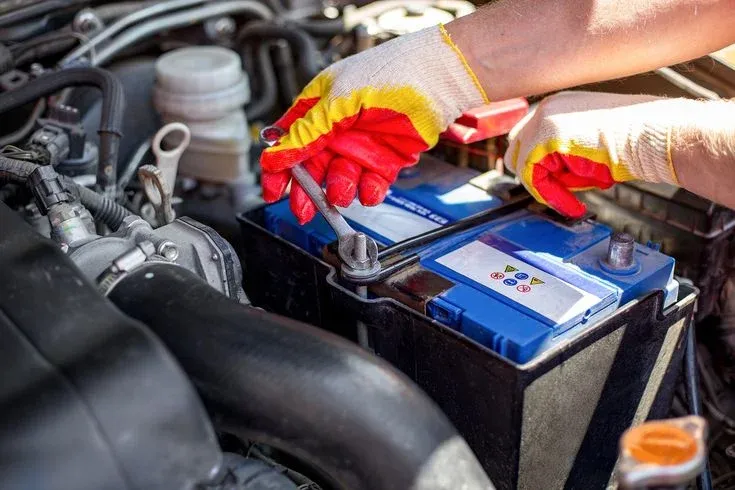
In 2023, the German motoring organisation ADAC attended more than 3.5 million breakdowns, and battery faults sat near the top of the list for the fourth year running. That statistic tells a simple story about how often drivers reach for a jump pack or a new battery. Here is the twist I see in the workshop every week. Fitting that fresh battery often fixes the starting problem, then quietly creates a second one nobody warns you about. The engine fires up, the radio works, and the car feels fine until you notice the idle sitting slightly high, the fuel gauge reading strangely, or the transmission shifting with a hesitation it never had before. That is the hidden reset effect, and understanding it will save you a lot of confusion.
Modern vehicles run dozens of control modules that learn your driving habits, your throttle inputs, and the condition of every sensor they monitor. When you disconnect the battery, those modules lose their memory. Some relearn on their own within a few drive cycles. Others need a specific procedure, and a few need a proper scan tool before they behave correctly again. If you want the full walkthrough on reviving the electronics, this guide on how to reset a car computer after replacing the battery covers the sequence properly. I also recommend reading up on why disconnecting your battery can confuse the entire car for days before you touch a terminal, because the confusion is real and it has a technical explanation.
Why a New Battery Changes the Way the Car Behaves
Every time the battery is removed, the engine control unit and the transmission control unit lose their adaptive memory. These adaptations are not cosmetic. The ECU stores fuel trim values, idle speed corrections, and throttle position baselines that it has refined over thousands of kilometres. The transmission module stores shift pressure and clutch engagement data tailored to the way you drive. Pull the power, and all of that resets to factory defaults. The car is not broken. It is relearning, and during that window it often feels different.
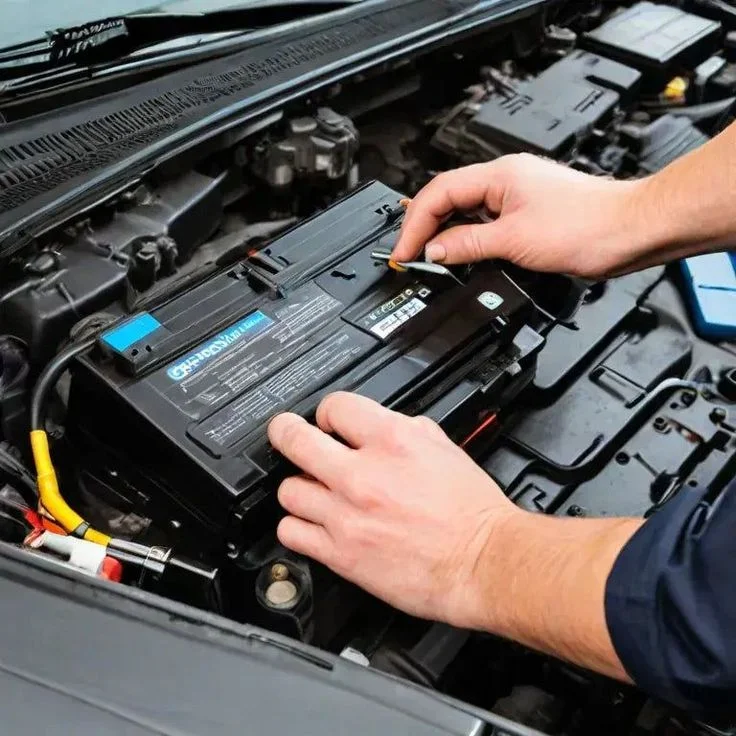
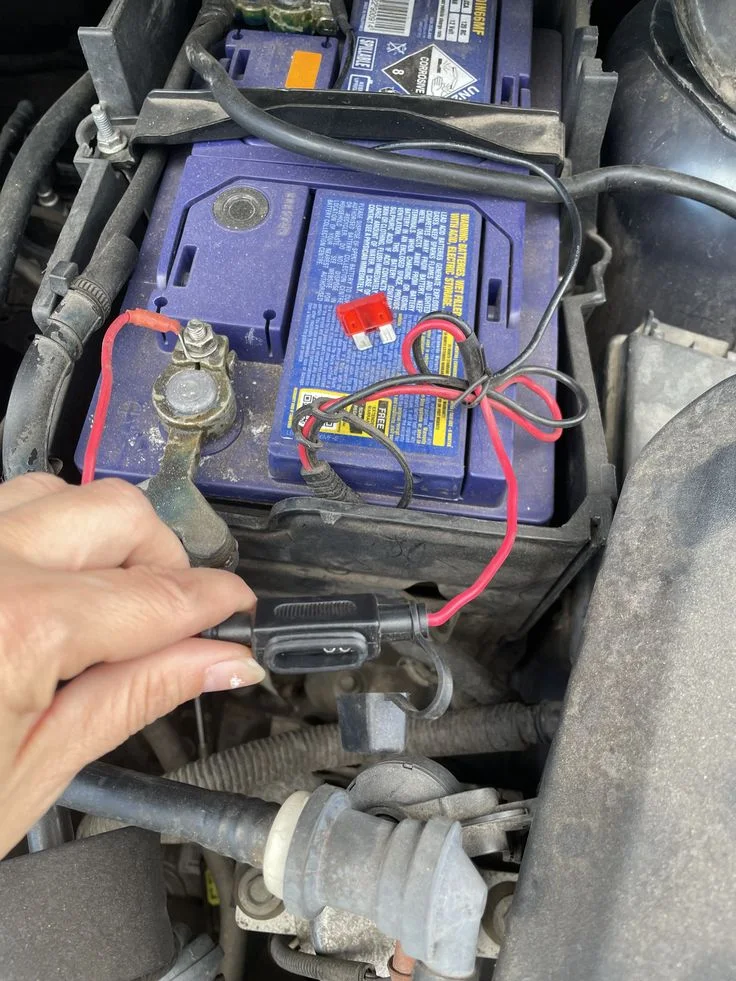
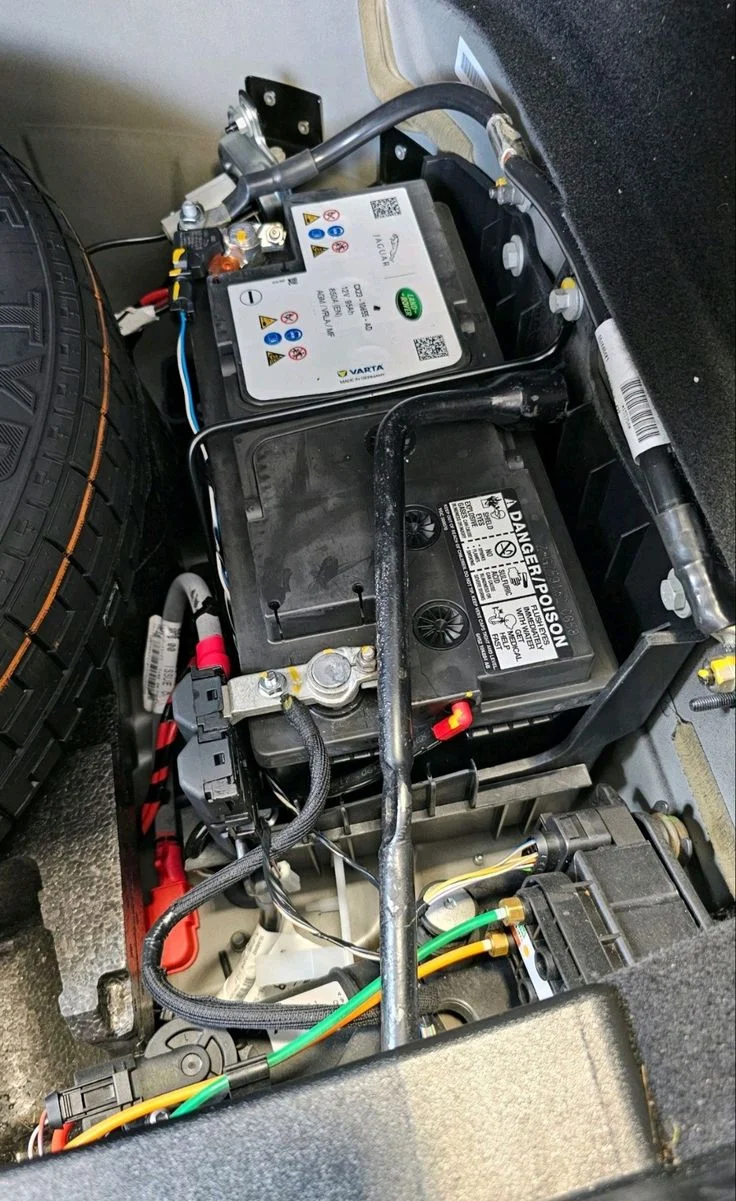
The most common symptom I hear is a fast idle that hangs around 1,200 rpm for a few minutes after a cold start. Drivers assume something failed. In reality, the ECU is rebuilding its idle baseline and needs a few complete warm-up cycles to finish. The second most common complaint is a transmission that shifts more firmly than before. That firmness is the default shift pressure, and it softens as the module relearns your throttle patterns. Give it a week of normal driving before you panic.
What Resets Automatically and What Does Not
Some systems handle themselves. The radio presets usually survive because they live in non-volatile memory. The clock resets and needs a manual adjustment. Electric window auto-up and auto-down functions often need a relearn procedure that involves holding the switch through a full travel cycle. Sunroof pinch protection follows the same pattern. Tire pressure monitoring systems generally relearn on their own after a short drive, though some brands demand a specific reset sequence covered in resources like this guide to tire pressure sensor reset across different car brands.
What does not reset automatically is more important. On many European and Asian vehicles, the battery management system needs to be told that a new battery has been installed. This matters because the charging system adapts its output based on the age and condition of the old battery. If you fit a fresh battery without registering it, the alternator may keep charging at the old battery's reduced rate, and the new unit never reaches a full state of charge. That is one reason drivers report a new battery that dies within eighteen months. The registration step exists to prevent exactly that outcome.
The Idle Relearn and Why It Takes Time
Idle relearning is the process where the ECU recalibrates the throttle body position and the idle air control strategy. On a drive-by-wire system, the throttle plate has a learned closed position that shifts as carbon builds up over time. When you disconnect the battery, the ECU forgets that learned position and assumes a factory baseline. On a dirty throttle body, that baseline is wrong, and the engine idles high or hunts until the ECU adapts back to reality.
You can speed this up with a simple routine. Start the engine cold, let it idle with all accessories off for three to five minutes, then switch off and let it sit for a minute before repeating. Do this over three cold starts and the ECU will usually settle into a stable idle. If the idle stays erratic after that, the throttle body is probably dirty enough that a cleaning is the real fix. The article on why engines struggle to idle smoothly before they suddenly quit covers the diagnostics in detail.
The Systems That Need More Than a Drive Cycle
Some resets are not negotiable. If you skip them, the car will run, but it will not run correctly. I have seen drivers spend hundreds chasing a fault that a ten minute relearn procedure would have solved. Here are the three that catch people out most often.
Steering Angle Sensor Calibration
Many modern cars use a steering angle sensor to feed the stability control system and the electric power steering. When the battery is disconnected, the sensor loses its zero point. The car then thinks the steering wheel is turned when it is straight, and the stability control light stays on. The fix is straightforward. Start the engine, turn the wheel lock to lock slowly, then return it to centre and drive a short distance in a straight line. Most systems recalibrate during that manoeuvre. If the light persists, a scan tool is required to perform the calibration properly.
Transmission Adaptive Learning
Automatic transmissions learn clutch volume, shift timing, and line pressure. After a battery disconnect, the module reverts to conservative defaults, which is why the shifts feel sharper or delayed. The relearn happens naturally, though it takes longer than most drivers expect. A mix of city and highway driving over two to three hundred kilometres will usually restore the smoothness. If you drive only short trips in traffic, the relearn can take weeks. A single sustained highway run with varied throttle inputs accelerates the process considerably.
Battery Registration and Charging Strategy
This is the one I wish more drivers knew about. On vehicles with smart charging systems, the alternator does not simply output a fixed voltage. It varies between roughly 12.5 and 14.8 volts depending on battery temperature, state of charge, and load. The battery management system uses a stored profile to decide how aggressively to charge. Fit a new battery without resetting that profile and the system keeps treating it as an old, weak unit. The result is chronic undercharging, which shortens the new battery's life and can trigger a stop-start system that refuses to engage.
The fix requires a scan tool or a specific in-car procedure, depending on the manufacturer. Some brands allow registration through the instrument cluster menu. Others require a diagnostic tool. If you are unsure, ask the shop that supplied the battery. This is not a cash grab. It protects the investment you just made. For a broader look at how the alternator and battery interact, read alternator versus battery and which one actually keeps your car alive on the road.
"The car was perfect before I changed the battery, and now it idles like it has a camshaft." Every technician has heard that line, and every technician knows the idle is relearning, not failing.
A Practical Routine for the First Week After Replacement
You do not need a workshop to handle most of this. You need a plan and a little patience. Here is the sequence I recommend to anyone who has just fitted a battery.
- Complete the window, sunroof, and seat memory relearn procedures on the first day, because each one takes under a minute and prevents a lot of annoyance later.
- Perform three cold-start idle cycles over the first two days, letting the engine reach full operating temperature each time before switching off.
- Drive a varied route within the first week, mixing stop-start traffic with a sustained highway stretch so the transmission and ECU see a full range of inputs.
- Check the charging voltage at the battery terminals with a multimeter after a day of driving. You should see between 13.5 and 14.5 volts with the engine running and accessories off. A reading outside that range points to a charging system issue worth investigating.
- Confirm whether your vehicle needs battery registration, and if it does, get it done within the first few days rather than waiting for symptoms to appear.
If the car still feels wrong after a week of this, the battery was probably not the only issue. A weak ground connection, a failing alternator, or a parasitic draw can all mimic reset symptoms and then persist. The guide on how to fix a car that won't start after replacing the battery walks through the diagnostic order, and the piece on troubleshooting car battery drain covers the overnight flattening scenario in depth.

Car Battery Terminal Connectors, 2 Pcs 4 Way Quick Release D

Mighty Max Battery MM-G35 Start and Stop Car BCI Group Size

LAUNCH OBD2 Scanner CRP123I V2.0 Elite,2025 Lifetime Free Up

Orion Motor Tech 24pcs Heavy Duty Disc Brake Piston Caliper
One habit worth building is checking the battery terminals for corrosion every few months. The article on why your car's battery terminals are corroded explains the chemistry and the simple prevention steps. A clean, tight connection prevents a whole category of phantom electrical faults that get blamed on the battery itself.
Final Word
A new battery is a fresh start for the car's electrical system, and that fresh start includes a period of adjustment. The modules are not malfunctioning when the idle sits high or the transmission shifts firmly. They are rebuilding the data they lost when the power went away. Give them a week of sensible driving, complete the relearn procedures your vehicle requires, and register the battery if your car asks for it. That routine turns a confusing week into a smooth transition.
Because the line "it drove fine before the battery" is true, and it will be true again. The car simply needs a little time to remember how.

Comments (0)
Please login to join the discussion
Be the first to comment on this article!
Share your thoughts and start the discussion