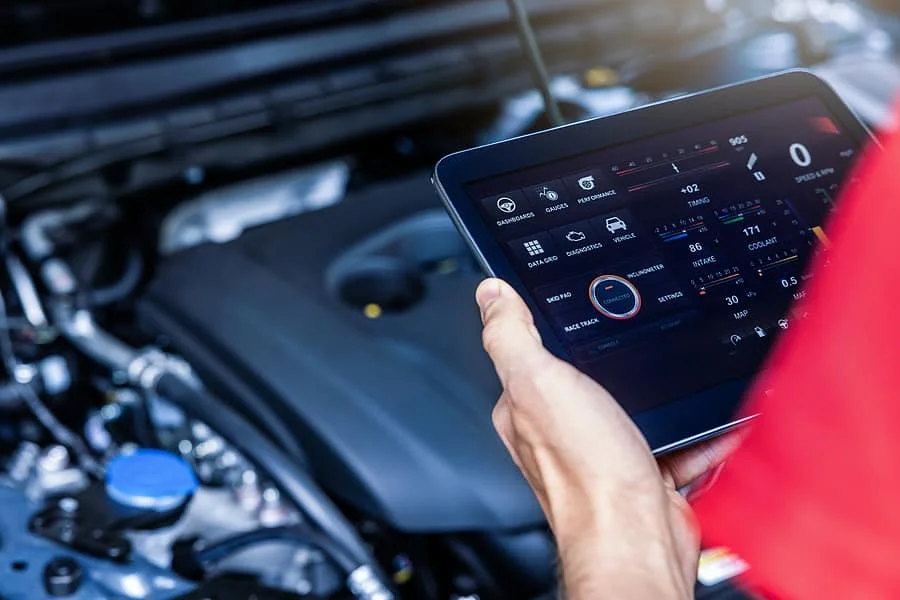
Modern vehicles generate an enormous amount of data every minute they run, and most of that information never reaches the driver. It sits quietly inside the electronic control units until someone with the right equipment asks for it. That is the reality of how diagnostics work today, and it explains why a good technician can often identify a fault before the car even enters the workshop bay.
I have watched this shift happen over the past two decades. Where we once spent hours chasing symptoms with a multimeter and a keen ear, we now begin many jobs with a laptop and a wireless adapter. The hidden tech inside modern cars has changed the way faults are found, and it has made remote diagnosis a genuine part of professional repair work. Drivers often say, "It was fine yesterday, so it can't be serious," and that is exactly the moment when remote data tells a different story.
Here are the core technologies that make touch-free diagnosis possible, and what they mean for you as a car owner.
Telematics and Over-the-Air Data Transfer
Most cars built in the last ten years carry a telematics unit, essentially a cellular modem that connects the vehicle to the manufacturer's servers. This module collects data from the engine, transmission, battery, and emissions systems and transmits it automatically. Manufacturers use this stream for warranty analysis, software updates, and proactive fault detection. General Motors, Ford, and Toyota all operate connected vehicle programs that flag developing issues before the owner notices anything.
The practical benefit for drivers is real. If your car's telematics reports a recurring misfire pattern or a charging system anomaly, the dealer can call you before a breakdown happens on the motorway. I have seen this save customers from costly roadside recoveries more than once. The system is not perfect, and privacy considerations matter, but the diagnostic value is undeniable.



Remote Diagnostics Through OBD-II and Wireless Adapters
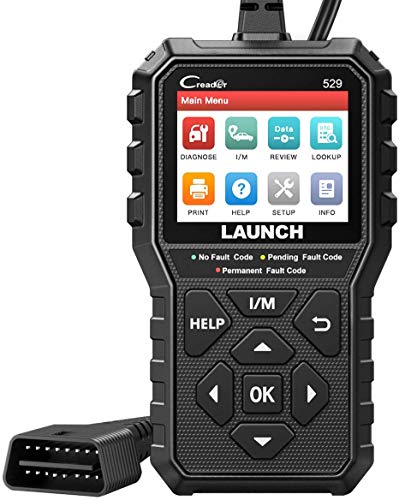
The OBD-II port remains the gateway to everything the car knows about itself. What has changed is how technicians access it. A Bluetooth or Wi-Fi adapter paired with a diagnostic platform lets a technician read live sensor data, pull stored fault codes, and run component tests while the vehicle sits in a customer's driveway or on a fleet yard miles away.
Fleet operators rely on this heavily. A logistics company can monitor hundreds of vans and receive an alert the moment a faulty oxygen sensor starts drifting out of range, long before it triggers a check engine light. The technician then reviews the data remotely, decides whether the vehicle needs immediate attention, and schedules the work. That is diagnosis without physical contact, and it is happening every day.
For everyday drivers, some workshops now offer remote pre-diagnosis. You plug in a supplied adapter, drive normally for a day, and the technician reviews the data before you arrive. It cuts diagnostic time and often reduces the final bill.
Live Data Analysis and Predictive Fault Detection
Reading fault codes is only the beginning. The real skill lies in interpreting live data streams, and modern diagnostic software now applies pattern recognition to those streams. Algorithms compare your vehicle's readings against known failure signatures from thousands of similar cars. When the data matches a developing fault, the system flags it even though no code has been stored.
This is where predictive maintenance becomes practical. A weakening fuel pump, a failing ignition coil, or a CAN bus communication glitch can all be identified from data patterns before they cause a breakdown. I tell customers that the car is essentially telling us what it needs before it fails, and the tools now let us listen properly.
One driver recently told me, "I thought the scan would be a five-minute job," and he was surprised when I explained that the scan was the starting point, not the answer. The interpretation is what takes experience.
What This Means for You as a Car Owner
You do not need to become a diagnostic expert, but understanding this technology helps you make better decisions. If your workshop offers remote monitoring or pre-diagnosis, take it seriously. If your car is a connected model, keep the telematics system active where the manufacturer provides it, because that data stream can catch problems early.
Pay attention to how your car feels and behaves, and mention any changes when you book a service. The data and your observations together give a technician the complete picture. As stored fault memory becomes more sophisticated, that combination will only get more powerful.
Remote diagnosis will never replace a thorough physical inspection, and I would not want it to. It does, however, mean fewer surprises, faster answers, and repairs planned before they become emergencies. That is a genuine step forward for anyone who depends on their car every day.
Read Also: Why Mechanics Don’t Always Show You the Real Fault
Comments (0)
Please login to join the discussion
Be the first to comment on this article!
Share your thoughts and start the discussion