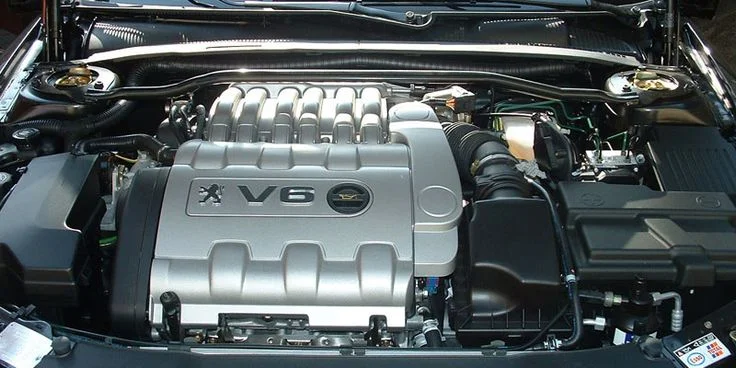
Your engine was designed to operate within a specific temperature window, typically between 195°F and 220°F. Reaching that range does more than make your heater work. It triggers a series of chemical and physical processes that protect the engine from the inside out.
In 2014, AAA responded to more than 29 million roadside calls, and a significant share of those breakdowns traced back to wear patterns that started with something as innocent as a two mile drive to the grocery store. That is the thing about short trips. They feel harmless. They feel efficient. And over months and years, they quietly grind down the most expensive component in your vehicle while you sit in traffic congratulating yourself on driving less. I have torn down engines that lived their entire lives doing school runs and corner store errands. The wear inside them tells a story the odometer never could. A car with 40,000 miles of short trips can show more internal deterioration than a highway commuter with 120,000 miles. That is not an exaggeration, and it is not a scare tactic. It is what happens when an engine never gets the chance to reach proper operating temperature. Let me walk you through why this happens, what it costs you, and what you can actually do about it. If you want the broader picture on how daily driving choices shape long term reliability, the maintenance tips in this guide to engine killing behaviors every car owner must avoid pair well with what follows.
Why Your Engine Needs Heat To Survive
The most important of these is the evaporation of water and fuel that condenses in your crankcase. Every time you start a cold engine, combustion byproducts sneak past the piston rings and settle into the oil. Those byproducts include water vapor and unburned fuel. Under normal operating temperature, they boil off and get pulled out through the crankcase ventilation system. When your engine never reaches that temperature, they stay. They accumulate. And they turn your oil into something closer to sludge than lubricant.
I have drained oil from short trip cars that came out looking like chocolate milk. The owner always says the same thing. "But I change it every 5,000 miles." Mileage is not the issue. The oil never got hot enough to do its job properly, and the contamination built up regardless of how fresh the oil was.
The Fuel Dilution Problem
Fuel dilution is the silent partner to moisture buildup. When you run a cold engine, the ECU richens the air fuel mixture to keep things stable. Some of that extra fuel washes down the cylinder walls and ends up in the oil pan. A healthy engine at operating temperature burns or vents most of it. A cold running engine does not.
Over time, fuel diluted oil loses its ability to lubricate properly. Viscosity drops. Metal surfaces that should be separated by a film of oil start making contact. Bearing wear accelerates. And you will not notice until the knocking starts. There is a reason mechanics say the most expensive sound in the world is a rod knock that "came out of nowhere." It did not come out of nowhere. It came out of a thousand short trips. Understanding how oil behaves inside a working engine makes this much clearer, and this breakdown of what happens when engine oil circulates inside a car is worth your time.
Condensation And Corrosion
Water does not belong inside your engine, but short trips invite it in. Every cold start produces condensation on internal surfaces. In a normal driving cycle, that moisture evaporates and exits through the PCV system. In a short trip cycle, it pools. It sits against metal surfaces. It mixes with combustion acids and creates a mildly corrosive environment inside your engine.

Garage Door Screen, 16x7 Ft Magnetic Closure Heavy Duty Weig

Orion Motor Tech 2 in 1 Brake Caliper Compression Tool & Bra

Worx Pegasus 2-in-1 Folding Work Table & Sawhorse, Easy Setu

Bidirectional Diagnostic Tool for Porsche/Cayenne, iCarsoft
This is why short trip cars develop rust on components that should never see it. Dipsticks, valve covers, and even cylinder walls show corrosion in severe cases. The fix is not a special additive. The fix is heat and time. Your engine needs both to stay clean.
What Actually Counts As A Short Trip
Here is where most drivers get it wrong. They think a short trip means under a mile. In reality, the threshold is closer to 20 minutes of driving or roughly 10 to 15 miles in moderate conditions. Anything less and your engine may never reach full operating temperature, especially in cold weather.
Cold ambient temperatures make everything worse. A 10 minute drive in summer might get your coolant up to temperature. The same drive in winter might leave your oil 40 degrees below where it needs to be. Oil takes longer to warm than coolant, and it is oil temperature that matters most for protecting internal components.
I have heard drivers say "I let it idle for ten minutes before I leave, so it is warmed up." That is a myth worth burying. Idling warms the coolant slowly and does almost nothing for oil temperature. It also dilutes your oil faster because the engine runs rich during idle. The only way to properly warm an engine is to drive it under moderate load.
The Damage That Shows Up Years Later
Short trip damage does not announce itself. It accumulates quietly, and by the time symptoms appear, the repair bill reflects years of neglect.
Sludge And Varnish Buildup
When oil never reaches proper temperature, its detergent additives cannot do their job. Contaminants settle out and form sludge. That sludge clogs oil passages, restricts flow to critical components, and accelerates wear on everything downstream. Varnish coats internal surfaces and reduces heat transfer. I have seen engines with oil pickup tubes so clogged that the pump was essentially starving the bearings of oil at idle.
This problem is well documented, and the silent threat of engine oil sludge is one of the most preventable forms of engine damage. Prevention costs nothing more than driving your car long enough to warm it up properly.
Timing Chain And Timing Belt Wear
Timing components rely on clean, properly lubricated oil to function. Contaminated oil accelerates chain stretch and tensioner wear. On engines with timing chains, this shows up as rattle on cold start that gradually gets worse. On engines with timing belts, oil contamination can degrade the belt material itself. A failed timing belt or chain can turn a running engine into scrap metal in seconds. If you want to understand the stakes, this piece on how to tell if a broken timing belt damaged the engine lays out the consequences clearly.
Starter And Battery Stress
Every cold start draws heavily on your battery and starter. Short trip drivers start their cars far more often per mile driven than highway commuters. That means more starter cycles and more battery drain without adequate recharge time. Alternators need sustained engine operation to fully recharge a battery after a cold start. Short trips do not provide that.
The result is a battery that lives in a perpetual state of partial charge. That shortens its lifespan significantly. I have replaced batteries in short trip cars at 18 months that would have lasted five years in a highway commuter. The battery was not defective. It was never given a chance.
What You Can Do About It
You do not need to sell your car and buy a bicycle. You need to adjust how you use the car you have.
Take The Long Way Sometimes
Once a week, take your car on a drive that lasts at least 30 minutes at highway speeds. This does not need to be a special trip. It can be your normal commute routed the longer way. What matters is sustained operating temperature and enough time for the oil to fully warm and for moisture and fuel to evaporate from the crankcase. Think of it as a reset button for your engine's internal environment.
Shorten Your Oil Change Intervals
If most of your driving is short trips, follow the severe service interval in your owner's manual. That is typically 3,000 to 5,000 miles instead of the 7,500 to 10,000 mile intervals listed for normal driving. The severe service schedule exists precisely for drivers like you. Ignoring it because "the manual says 10,000 miles" is a mistake that costs far more than the extra oil changes. For a deeper look at why timing matters as much as mileage, this guide on the oil change dilemma of time versus mileage is essential reading.
Consider An Italian Tune Up
Old school mechanics used to recommend what they called an Italian tune up. The idea was simple. Drive the car hard enough to burn off the deposits that accumulate during gentle, short trip driving. There is real science behind this. Higher engine loads and temperatures help clean combustion chambers and exhaust components. I am not suggesting you redline your engine every morning. I am suggesting that a spirited drive on a clear road once in a while does more good than harm.
Use A Block Heater In Cold Weather
If you live in a cold climate and your driving is mostly short trips, a block heater is one of the best investments you can make. It keeps your coolant and oil warm before you start, which reduces cold start wear and helps your engine reach operating temperature faster. The cost is modest and the benefit to your engine's longevity is substantial.
Watch For The Warning Signs
Pay attention to what your car is telling you. Mayonnaise like residue under the oil cap means moisture is accumulating. A sweet or gassy smell in the oil indicates fuel dilution. Rough idle, reduced power, or increased oil consumption all point to problems that short trips accelerate. If your car is not running right, this troubleshooting guide on bringing back engine power without expensive repairs can help you identify what is going on before it gets worse.
"I only drive it to church on Sundays. It barely has any miles on it." That is the sentence I hear right before I find sludge in an engine that should have another 100,000 miles left in it.
The Bottom Line
Your engine does not care about your odometer. It cares about how it was treated during the miles it accumulated. Short trips are not inherently destructive, but they demand a different maintenance approach than highway driving. If you understand what is happening inside your engine and adjust your habits accordingly, you can get hundreds of thousands of miles out of a car that never sees a long commute.
If you ignore it, you will eventually pay for a repair that costs more than the car is worth. You will hear a mechanic say the engine is sludged or the bearings are gone. You will wonder how it happened. And somewhere in the back of your mind, you will remember all those two mile drives you thought were saving you time and money.

Comments (0)
Please login to join the discussion
Be the first to comment on this article!
Share your thoughts and start the discussion