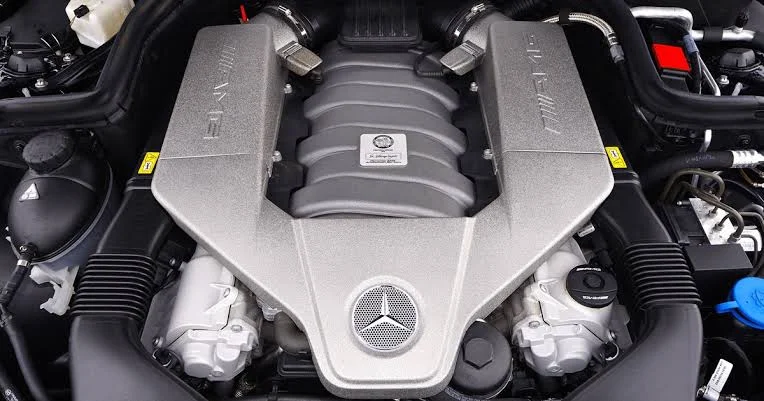
Every internal combustion engine produces byproducts that do not leave the combustion chamber cleanly. Fuel dilution in the oil, carbon deposits on intake valves and piston crowns, moisture that condenses in the crankcase, and soot that accumulates in the exhaust path all build up gradually, and they build up fastest in engines that never get hot enough or loaded hard enough to burn them off. This is a well understood phenomenon in the trade, and it explains why a car used mainly for short city trips often feels flatter and less responsive than an identical car that covers long distances.
The short answer is that some engines genuinely do run better after a good hard drive, and the reason has less to do with folklore and more to do with how combustion, heat, and engine management actually behave over thousands of miles. If you own a car that spends its life crawling through traffic at low rpm, this article is for you. If you already stretch your engine's legs regularly on open roads, you can treat this as confirmation of what you have suspected all along. I want to be clear about what "driven hard" means here, because the phrase gets abused. It does not mean bouncing off the limiter from every set of lights. It means loading the engine properly, letting it reach full operating temperature, using a decent portion of the rev range, and giving it sustained work rather than endless light-throttle pottering. That distinction matters enormously, and it is where most of the confusion around this topic comes from.
What Actually Happens Inside an Engine That Gets Worked
Heat is the key variable. When coolant and oil reach their proper operating range and stay there for a sustained period, the engine can evaporate the water and light fuel fractions that contaminate the oil. Deposits that form on valves and combustion chambers soften and partially burn away under sustained load. The exhaust system, including the catalytic converter, reaches temperatures that let it process accumulated material rather than store it. None of this happens during a ten minute commute where the temperature gauge barely moves.
The Specific Mechanisms That Improve With Proper Loading
Carbon Deposits and Intake Valve Condition
Carbon buildup is one of the most discussed issues in modern engine ownership, particularly on direct injection engines where fuel no longer washes over the intake valves. A gentle, low load driving pattern encourages these deposits to accumulate because combustion chamber temperatures stay relatively low and airflow across the valves stays modest. Sustained higher load driving raises combustion temperatures and increases airflow, which helps slow the rate at which deposits form and can partially clean existing ones.
For anyone dealing with rough idle, hesitation, or a car that feels like it has lost its edge, understanding how these deposits affect performance is genuinely useful. There is a good breakdown of related symptoms in this article on engines that struggle to idle smoothly before quitting altogether, and it connects directly to the driving pattern discussion here. The takeaway is that an engine fed a steady diet of light throttle and short trips is far more likely to suffer than one that gets regular exercise.
Oil Quality and Contaminant Burn Off
Engine oil has a hard life in stop start conditions. Fuel that fails to vaporise properly works its way past the piston rings and into the sump, thinning the oil and reducing its protective properties. Water from condensation does the same thing. When you drive an engine under load for a sustained period, the oil reaches temperatures high enough to evaporate these contaminants through the crankcase ventilation system, which is exactly how the system was designed to work.
This is why a car that only ever does short journeys tends to show contaminated, milky, or fuel smelling oil at service time, while a car doing long motorway runs shows oil that looks far healthier. It also explains why some owners report that their car feels sharper and quieter after a long trip. The oil has done its job properly because the engine finally got hot enough for long enough.
Exhaust System and Catalytic Converter Health
The catalytic converter needs heat to function. During short, gentle trips it never reaches its optimal operating temperature, which means it cannot efficiently process the exhaust gases passing through it. Over time this contributes to fouling and reduced efficiency, and it is one of the reasons city driven cars can throw emissions related codes that disappear after a good long drive. A sustained run at operating temperature lets the converter do what it was designed to do.
Throttle Response and Adaptive Learning
Modern engine management systems adapt to the way a car is driven. Drive gently for months on end and the ECU learns a conservative throttle map and shift strategy. Drive with more purpose and the system adjusts. This is not a dramatic transformation, and it is not a substitute for proper maintenance, but it is a real effect that owners notice. There is a useful explanation of the underlying behaviour in this piece on the secret ECU behaviour that protects your engine without warning you, which covers how the control unit manages load and protection in ways the driver never sees.
What Driving Hard Does Not Fix
This is where I need to be direct, because the enthusiast community sometimes oversells the benefits. A hard drive will not repair worn piston rings, it will not restore compression lost to bore wear, and it will not undo the damage caused by missed oil changes. If your engine is consuming oil at an alarming rate or producing blue smoke under acceleration, the answer is diagnosis and repair, not a spirited run down a country road.

Hirificing Throttle Position Sensor TPS Throttle Body Positi

ACDelco Gold 213-4514 (19236568) Engine Coolant Temperature

LAUNCH OBD2 Scanner CRP123I V2.0 Elite,2025 Lifetime Free Up

Performance Tool W1139 Quart/Gallon Fluid Pump and Hose for
Nor does it fix a genuinely dirty intake system on a direct injection engine. Those deposits sit on the back of the intake valves where fuel never reaches them, and no amount of hard driving will remove baked on carbon. That requires physical cleaning. Similarly, if you are chasing a persistent fault, there is a reason resetting the ECU without fixing the root cause always backfires, and the same logic applies to driving style. It can help a healthy engine stay healthy, but it cannot compensate for a mechanical fault.
How to Drive Hard Without Driving Stupid
There is a right way to do this and a wrong way, and the difference is measured in repair bills. The wrong way is to start a cold engine, immediately rev it to the redline, and treat every journey as a qualifying lap. That accelerates wear on bearings, turbos, and timing components, and it does nothing good for the engine.
The right way starts with patience. Let the engine reach full operating temperature before asking for serious load. Once warm, use the mid to upper portion of the rev range under acceleration rather than short shifting at low rpm. On a manual car that means holding gears a little longer. On an automatic it means using more throttle and letting the gearbox hold ratios, or selecting a sport mode where available. Include sustained higher speed running where it is legal and safe, because it is the duration at temperature that does much of the work.
If you want to understand where the limits genuinely sit, this explanation of why engines have a redline and what happens if you exceed it is worth reading, and it reinforces the point that there is a wide safe band between lugging an engine and abusing it. The sweet spot sits well below the limiter and well above idle.
The Counterpoint That Owners Often Raise
You will hear the argument that modern engines are designed for gentle use and that hard driving simply wears them out faster. There is truth in the wear part, which is why the emphasis here is on loading the engine properly rather than thrashing it. But the claim that gentle use is always kinder is not supported by what actually happens inside these engines over time.
Plenty of owners of low mileage, gently driven cars run into problems that high mileage, properly exercised cars avoid. Sludge, stuck rings, fouled converters, and rough running are more common in the garage queen than in the car that covers real distance. The pattern is consistent enough that experienced technicians recognise it immediately. The engine was built to work, and an engine that never works never fully clears itself out.
Where This Leaves the Average Owner
The practical conclusion is straightforward. If your driving is dominated by short trips, low speeds, and light throttle, you should deliberately build in some proper engine exercise on a regular basis. A longer drive at sustained speed once a week or fortnight does more for long term health than any additive you can pour into the fuel tank. Combine that with sensible oil change intervals and you are doing the majority of what matters.
If you are already covering longer journeys regularly, you probably do not need to change anything. Your engine is getting the heat cycles and load it needs, and the fact that it feels responsive is not a coincidence. Owners who fall into this category often report that their cars feel stronger at higher mileage than they did when new, which sounds counterintuitive until you understand what is happening internally.
What you should avoid is the middle ground of assuming that any hard driving is good driving. Cold revving, constant redline abuse, and neglecting maintenance while telling yourself the engine is being kept clean are all ways to turn a genuinely useful habit into an expensive one. There is a reason this article on the hidden damage caused by perfect city driving resonates with so many owners, because the damage is real, it is gradual, and it is almost entirely invisible until something fails.
Final Word
Some engines really do run better after being driven hard, and the explanation is mechanical rather than mystical. Heat, load, and time at operating temperature allow an engine to clear out contaminants that gentle use leaves behind. The benefit is real, it is measurable in how a car feels and how its oil looks, and it costs nothing beyond the fuel you were going to burn anyway.
The catch is that this only works within the bounds of sensible mechanical sympathy. Warm the engine first, load it properly, avoid the redline, and keep up with maintenance. Do that and you are giving your engine the conditions it was designed to thrive in. Skip the maintenance and abuse the revs, and no amount of hard driving will save you from the bill.

Comments (0)
Please login to join the discussion
Be the first to comment on this article!
Share your thoughts and start the discussion