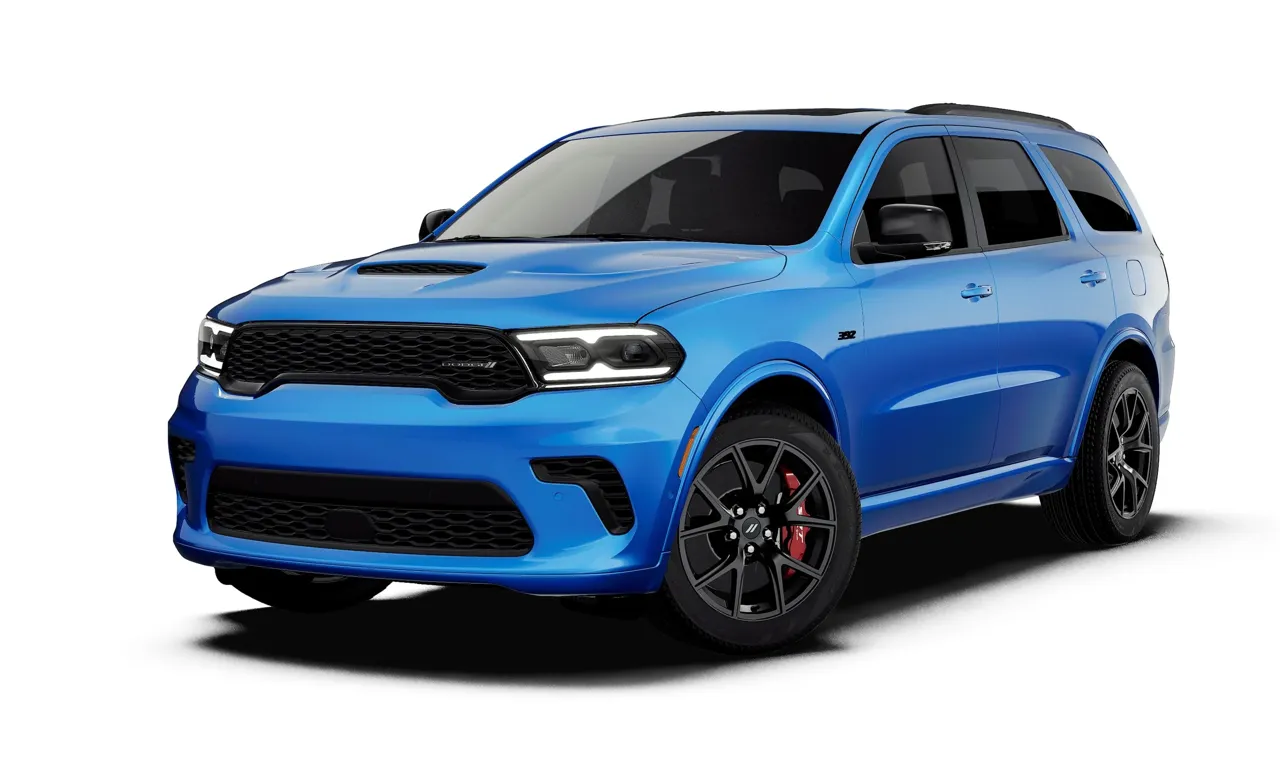
There is a tendency in automotive journalism to treat technology as something that lives in a screen or a sensor array. That misses the point with the Durango. The technology here is the powertrain itself. A naturally aspirated V8 in a three-row family hauler is an engineering choice, not an oversight. It delivers a specific driving character that turbocharged four-cylinders cannot replicate: immediate throttle response, a deep exhaust note, and the kind of towing confidence that comes from having cubic inches on your side.
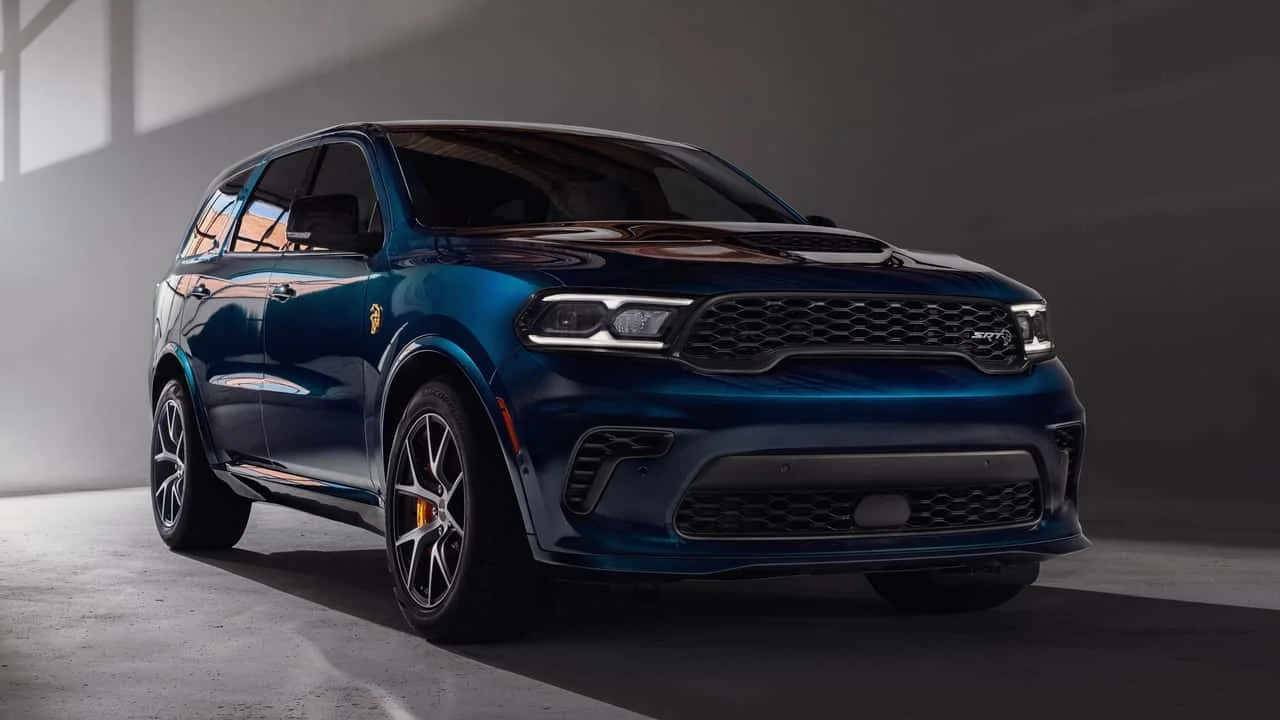
The Dodge Durango has never been a vehicle that follows the crowd. While the industry pours resources into electric crossovers and aerodynamic sedans, this three-row SUV holds its ground with a formula that feels increasingly rare: a big body, a V8 under the hood, and no apologies. For 2027, Dodge is doubling down on that identity. Motor1 reports the Durango is getting darker with a new paint option, a move that confirms the automaker still sees value in its aging platform. This is not a story about a new engine or a software overhaul. It is a story about product strategy in an era where legacy automakers are struggling to justify internal combustion. The Durango has been on the market for years, and Dodge keeps finding ways to upgrade it. That persistence matters. The three-row SUV segment is crowded with fresh designs, hybrid powertrains, and digital cockpits. Yet here is Dodge, refreshing a vehicle that should be obsolete, because a loyal customer base still wants what it sells.
The V8 Is the Technology
Modern naturally aspirated engines differ from turbo engines in ways that go beyond peak horsepower figures. Turbochargers spool up and deliver boost in a wave. A big V8 builds power linearly, which makes it predictable when you are merging onto a highway with three kids and a week of luggage. That predictability is why buyers keep coming back, even as the platform ages.
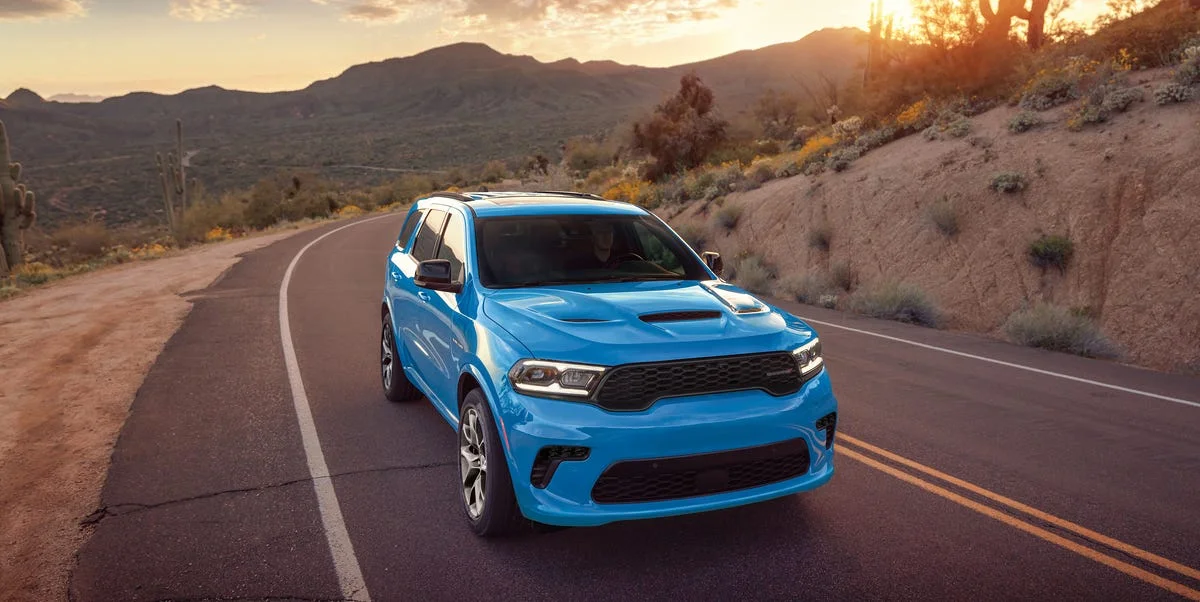
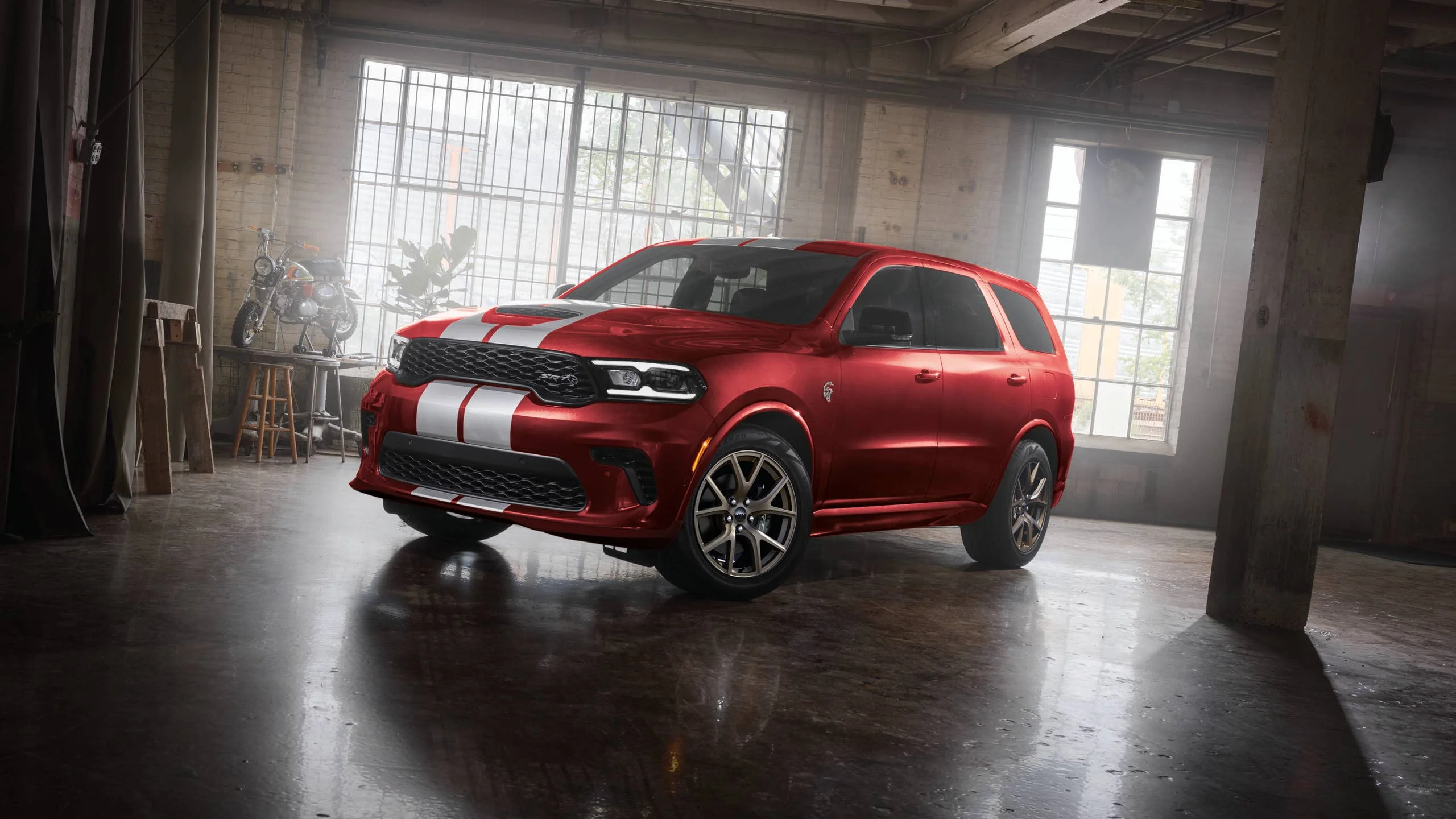
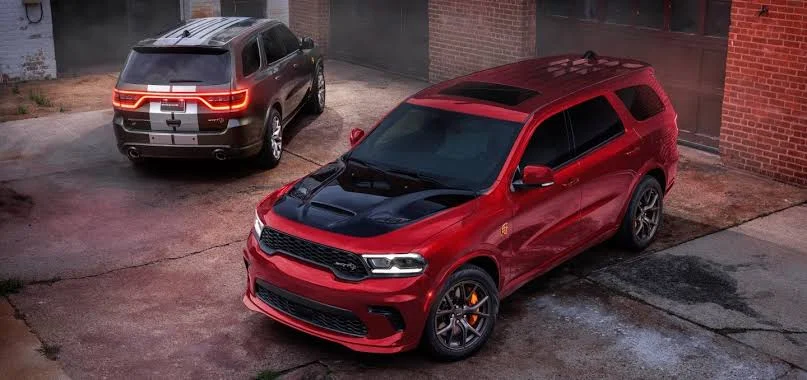
The new darker paint for 2027 is not a mechanical change, but it signals something important. Dodge understands that the Durango's buyers are not cross-shopping against the latest hybrid minivan. They want presence. They want a vehicle that looks like it means business in the school pickup line. A darker finish amplifies that visual weight, giving the SUV a more aggressive stance without touching a single suspension component.
Why Paint Matters in a Tech Story
Paint is surface-level technology, but it drives purchase decisions. The color of a vehicle influences resale value, maintenance habits, and even insurance rates in some cases. The wrong color car can cost you more on insurance, which means Dodge's choice to go darker is not purely aesthetic. It is a calculated move to attract buyers who want a more menacing look without stepping up to a full performance model.
There is also the practical angle. Darker paint hides the design lines that have been on this body for years. It is a low-cost way to make the vehicle feel fresh. Automakers do this all the time, but it carries extra weight when the underlying platform is as old as the Durango's. The paint refresh buys the model line time while Dodge figures out its long-term electrification strategy.
Keeping an Old Platform Alive
Engineering teams face a constant tension between innovation and cost. Developing a new platform costs billions. Extending an existing one costs millions. The Durango represents the latter approach, and it works because the fundamentals are still sound. The V8 powertrain remains reliable, the chassis is proven, and the cabin layout still functions well for families. What the vehicle lacks in cutting-edge electronics, it makes up for in mechanical maturity.
That maturity has real value. A first-year model can be an expensive mistake, with teething issues that manufacturers iron out over subsequent production runs. The Durango has been in production long enough that most of its failure modes are known quantities. Buyers who prioritize dependability over novelty understand this calculus. They would rather own a vehicle with decades of refinement behind it than gamble on a brand-new design.
Dodge keeps finding ways to upgrade the Durango because the cost of entry is low and the payoff is consistent. The three-row SUV market has not collapsed, and the V8 still has an audience. As long as that audience exists, the Durango will keep getting these incremental updates, whether that means new paint, revised trims, or mechanical tweaks under the skin.
The Broader Industry Lesson
The Durango's longevity offers a counterpoint to the industry's rush toward electrification. Not every buyer wants a silent, software-defined vehicle. Some want the analog experience of a big engine and a solid chassis. Modern cars can be too complicated, and there is a growing segment of enthusiasts who appreciate simplicity. The Durango delivers that simplicity with enough modern amenities to keep it relevant.
There is also a lesson in brand loyalty. Dodge has built its identity around performance and attitude. The Durango fits that identity, even in a segment that usually prioritizes comfort and efficiency. By continuing to invest in the model, Dodge signals to its customers that it has not abandoned them. That matters in an industry where automakers frequently kill off models without warning.
For drivers considering a three-row SUV, the 2027 Durango with its darker paint represents a choice. It is not the newest technology on the market. It will not offer the latest driver assistance suite or the most efficient powertrain. But it offers something increasingly rare: character. SUVs dominate the market for a reason, and the Durango shows that a well-executed formula can outlast its competition.

Jeep Grand Cherokee 2005 thru 2019 and Dodge Durango 2011 th

Sway Bar Link for 2011-2015 Dodge Durango, Jeep Grand Cherok

Jetwood 1:14 Scale RC Car Spare Parts 14250B Rear Lower Susp

GEARWRENCH 83 Pc. 1/4, 3/8", 1/2" 90-Tooth SAE/Metric Mechan
The paint is darker. The platform is old. The V8 is still there. For the buyers Dodge is targeting, that combination is exactly right.

Comments (0)
Please login to join the discussion
Be the first to comment on this article!
Share your thoughts and start the discussion