
A $900 car is not a purchase. It is a gamble, and every experienced buyer knows the odds going in. So when a used-car owner handed over less than a grand and then discovered exactly why the vehicle was priced that way, the story should have ended there. Instead, it turned into something stranger. Once he figured out what was actually wrong and got the car running again, the previous owner came back wanting it returned. His reaction, as reported by Motor1, was blunt. "That ain't right."
That single sentence captures why this story has been circulating among drivers who have spent any time in the cheap end of the used market. The transaction was done. Money changed hands. The buyer took on the risk, and the risk turned out to be smaller than everyone assumed. Now the seller wants a do-over. If you have ever bought a high-mileage car for pocket change, you already understand the tension here. For anyone weighing a used car purchase, this is a masterclass in why the paperwork and the handshake both matter.
What Actually Happened With This Cheap Used Car
The facts are thin, and that is worth stating plainly. What we know is that a man bought a used car for $900, diagnosed a fault the seller either missed or never bothered to chase, and got it running. His own account of the fix is almost comically simple. "I plugged it back in and it just started right up."
That line does a lot of work. A disconnected connector, a sensor left unplugged, a harness that got knocked loose during earlier repairs. These are the kinds of faults that look catastrophic to someone who does not know where to look and cost nothing to someone who does. The seller saw a dead car. The buyer saw a loose plug. That gap in knowledge is the entire story.
Why This Happens More Often Than Drivers Think
Cheap cars get sold with simple problems all the time because the owner never got a proper diagnosis. A no-start condition sends plenty of people straight to the worst-case conclusion. They assume the engine is gone, the transmission is shot, or the electrical system is a lost cause, so they dump the car for scrap value and move on.
Meanwhile, the actual fault sits in a connector, a relay, or a ground strap. This is the same pattern behind a huge share of starting and stalling complaints that turn out to be minor. The car is not broken. The diagnosis was.
The Seller's Position, Honestly Assessed
Wanting the car back is understandable on an emotional level. The seller watched someone turn a $900 loss into a running vehicle within hours. That stings. But understandable and legitimate are different things.
Once a vehicle is sold, the buyer owns both the upside and the downside. That is how private sales work. The seller took cash for a car in unknown condition and accepted that price. If the buyer had instead discovered a blown head gasket, nobody would expect the seller to refund the money. The risk does not run one direction. A deal that only gets revisited when it favors the seller is not a deal at all, and that is exactly what the buyer meant when he pushed back.
That ain't right.
What This Means for Anyone Buying or Selling Cheap
For buyers, the lesson is straightforward. A cheap car with a no-start condition is not automatically a parts car. Basic electrical checks, a scan tool, and patience solve a surprising number of these cases. Before you write off a vehicle, verify the simple stuff. A loose connection costs nothing to check and can be the difference between a $900 paperweight and a daily driver.

ANCEL AD410 Enhanced OBD2 Scanner, Vehicle Code Reader for C

Orion Motor Tech 24pcs Heavy Duty Disc Brake Piston Caliper
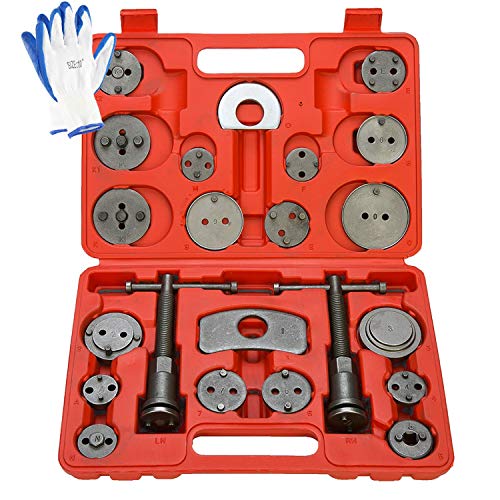
8MILELAKE Disc Brake Caliper Compressor Wind Back Tool 24pc

Bittwee Car Brake Piston Wind Back Tool, 3pcs/Set Brake Cali
For sellers, the lesson cuts the other way. If you are going to sell a car cheap because it will not start, get it looked at first. You may be leaving thousands on the table over a five-minute fix. And once you have sold it, the price you agreed to is the price. Do not come back asking for the car because someone else was smarter about the diagnosis.
There is a broader point about the private market here. Deals like this are built on as-is terms, and as-is cuts both ways. Sellers get certainty. Buyers get risk. The moment either side tries to unwind that arrangement after the fact, the whole thing falls apart. That is why a proper pre-purchase inspection protects both parties, not just the buyer.
If you are the one doing the selling, the same logic applies in reverse. Knowing what you actually have before you price it is basic due diligence, and it is the difference between a fair sale and a story you end up telling with regret.
The Bottom Line on This $900 Used Car
The buyer did nothing wrong. He paid the asking price, took the car home, and fixed a problem the seller had given up on. That is not cheating. That is competence, and it is exactly what the used market rewards.
The seller's frustration is real, but it is aimed in the wrong direction. The mistake was made before the sale, not after it. Once you hand over the keys and take the cash, the car is not yours anymore, and neither is the outcome. That is the rule, and it does not bend just because someone else got the better end of it.
Read Also: Free VIN Check: Top 10 Free Sites to Get a Used Car's History Report

Comments (0)
Please login to join the discussion
Be the first to comment on this article!
Share your thoughts and start the discussion